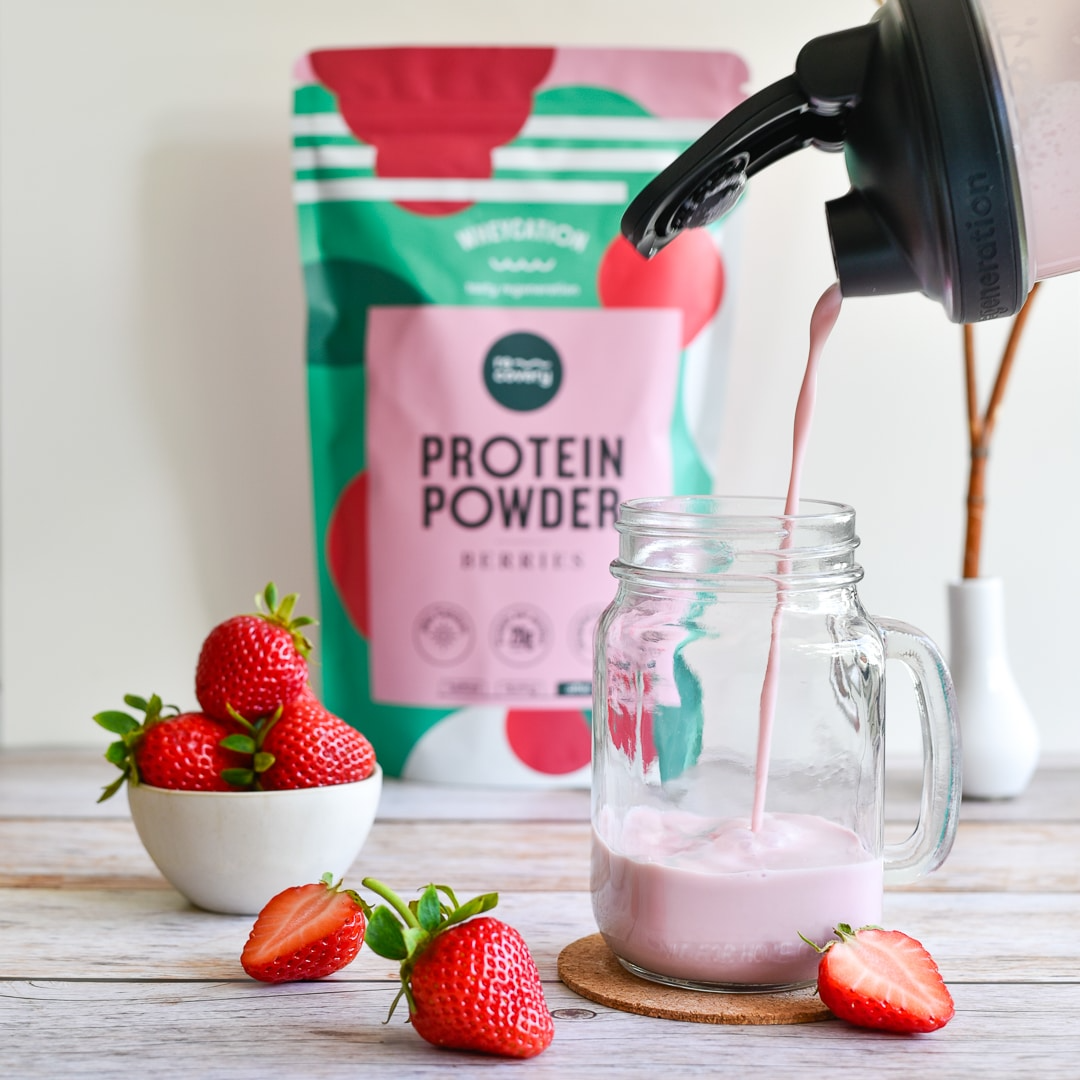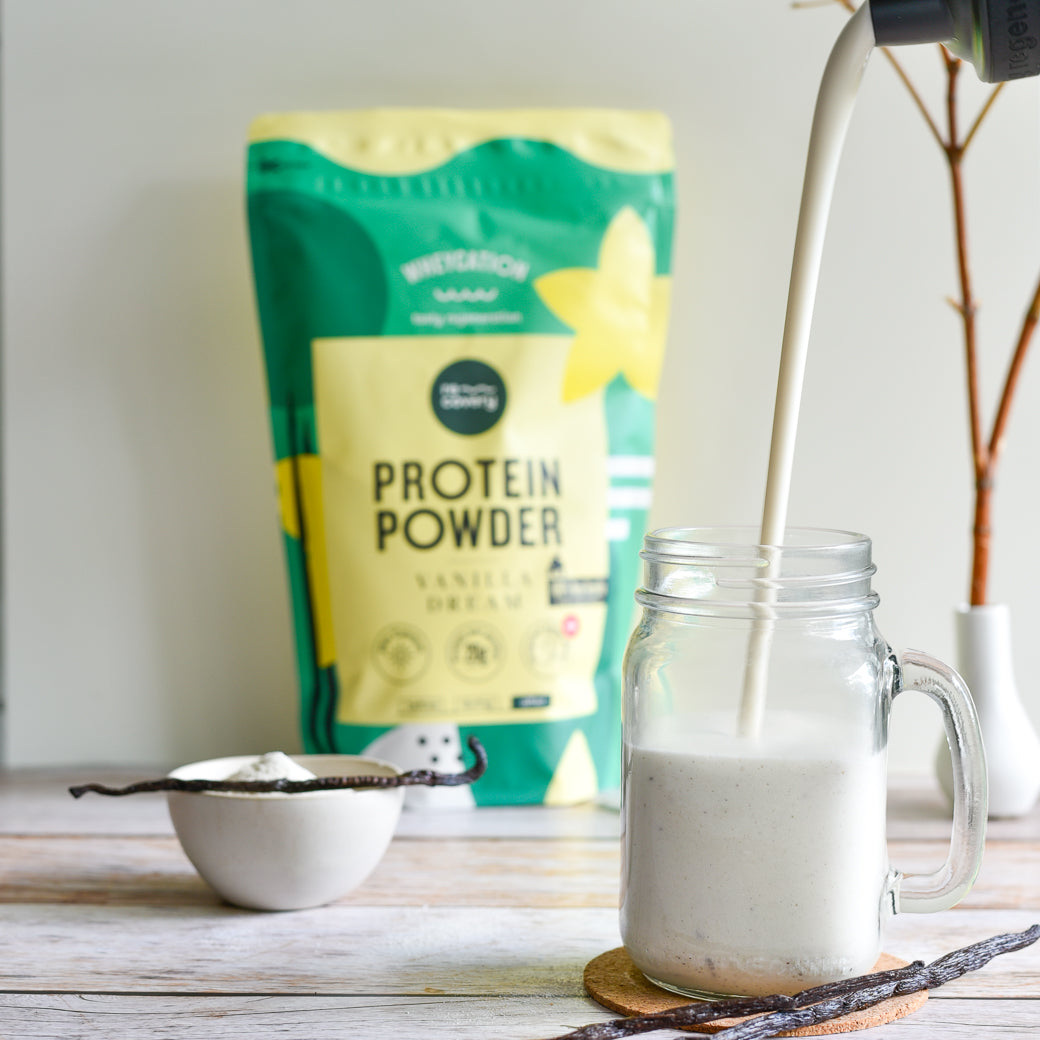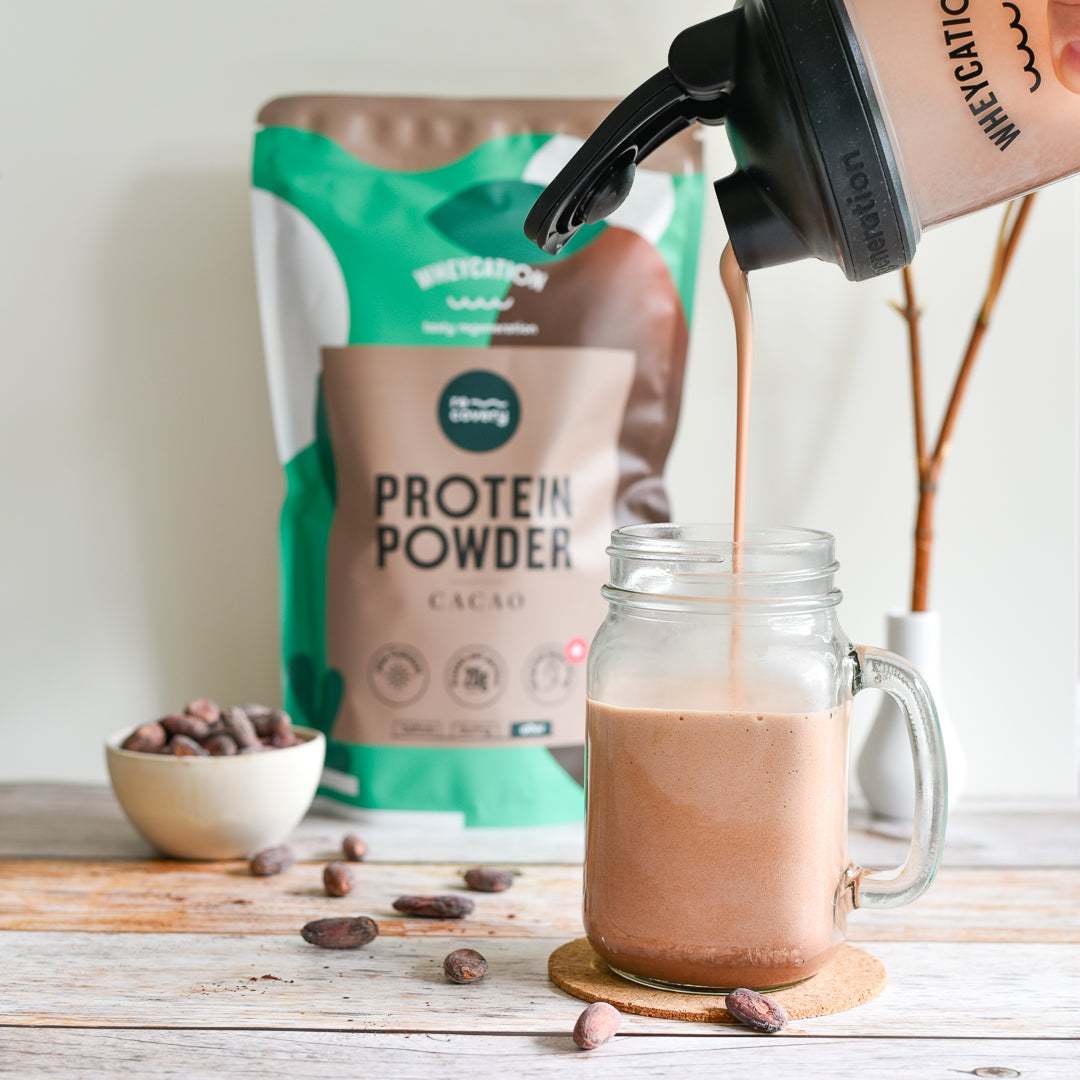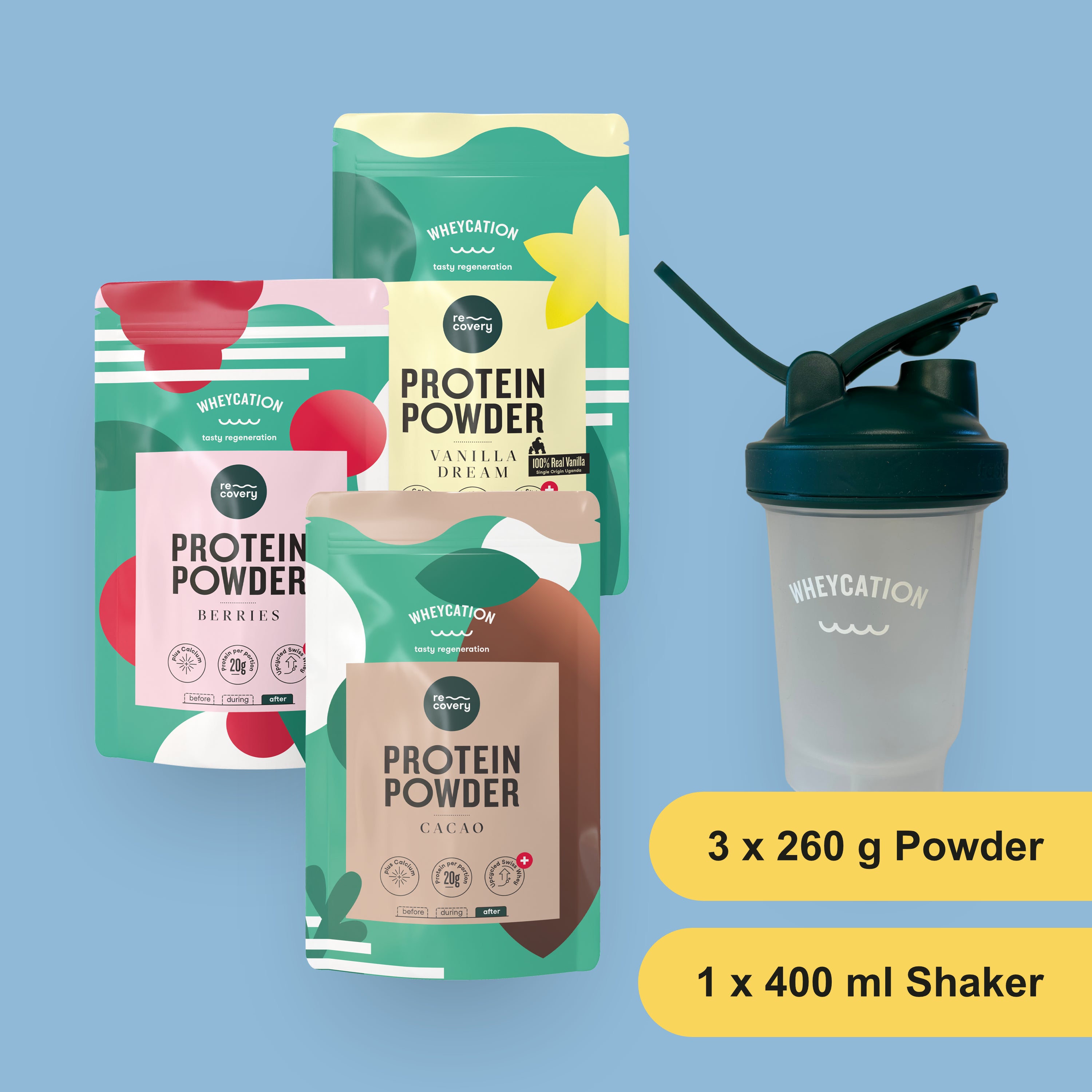
Protein is no longer just a topic for strength athletes. Whether in everyday life, during endurance sports, strength training, or recovery phases – proteins play a central role in our bodies. But two questions keep coming up: How much protein do I actually need per day? And is there a perfect time to consume it?
In short: Most people benefit from a protein intake of about 1.4–2.0 g of protein per kg of body weight per day, distributed over 3–4 meals of 25–30 g of protein each.
Individual needs vary – and what's crucial isn't so much the one perfect time, but rather the total amount consumed and its even distribution throughout the day. You can read here what this means specifically for your daily routine.
Why protein is so important
Proteins are made up of amino acids – the building blocks of our bodies. They are necessary for, among other things:
- the maintenance and building of muscle mass
- Regeneration after exertion
- supporting the immune system
- Enzymes, hormones and numerous metabolic processes
How much protein does the body need per day?
Protein requirements are individual and depend on several factors: body weight, activity level, and total energy intake (e.g., relevant during weight loss). Furthermore, protein requirements increase with age and in cases of acute illness or injury.
According to current recommendations, the following guidelines apply to an average energy intake:
-
Minimum quantity:
approximately 0.8–1.2 g of protein per kg of body weight per day -
Recommended intake during moderate physical activity:
approximately 1.4–1.6 g of protein per kg of body weight per day -
Optimal intake during more intense exertion (sport, regardless of the type of sport):
approximately 1.6–2.1 g of protein per kg of body weight per day -
With low energy intake (e.g., during weight loss):
approx. 1.8–2.7 g/kg body weight / day
Important: These amounts refer to total daily intake, not individual meals.
(For a more in-depth analysis of the current recommendations, see the sources, including the Wheycation blog “New recommendations on protein intake – necessary?”).
When should I take protein? Is there a right time?
One of the most common assumptions is that protein is only beneficial immediately after training. The scientific view today is more nuanced:
There is no fixed time – what matters is the amount of protein per meal and its distribution throughout the day.
What is crucial is not so much an exact time, but rather:
- That you consume enough protein throughout the day.
- The amount per meal is approximately 25-30 g of high-quality protein (the amount is higher if the protein is exclusively plant-based). This amount is considered sufficient to maximally stimulate muscle protein synthesis per meal.
Studies show that several sufficiently large portions of protein distributed throughout the day support muscle protein synthesis more effectively than a highly uneven intake.
Typical situations in which protein supplementation can be particularly useful (but not mandatory):
- After training, especially in combination with carbohydrates: supports regeneration and muscle building
- Between meals, as a snack: helps to meet daily requirements
- In the evening: can support overnight regeneration processes
- In the morning: useful if breakfast is otherwise low in protein
What matters is your everyday life, not the clock.
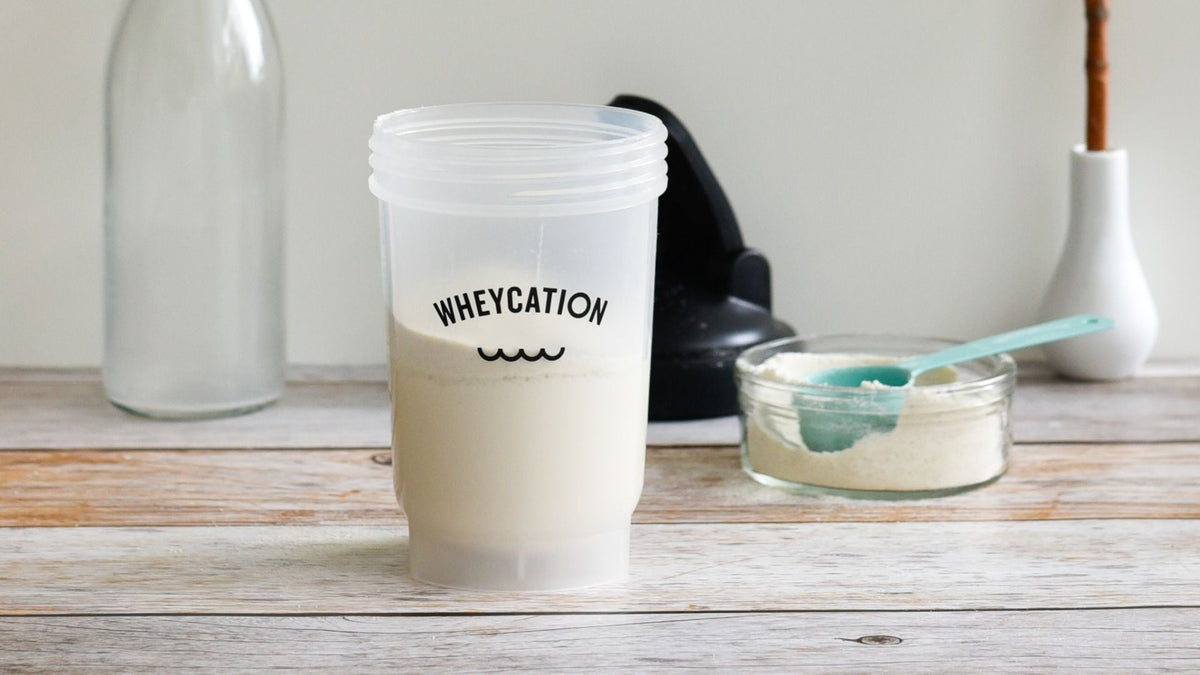
Protein powder: Supplement, not a replacement
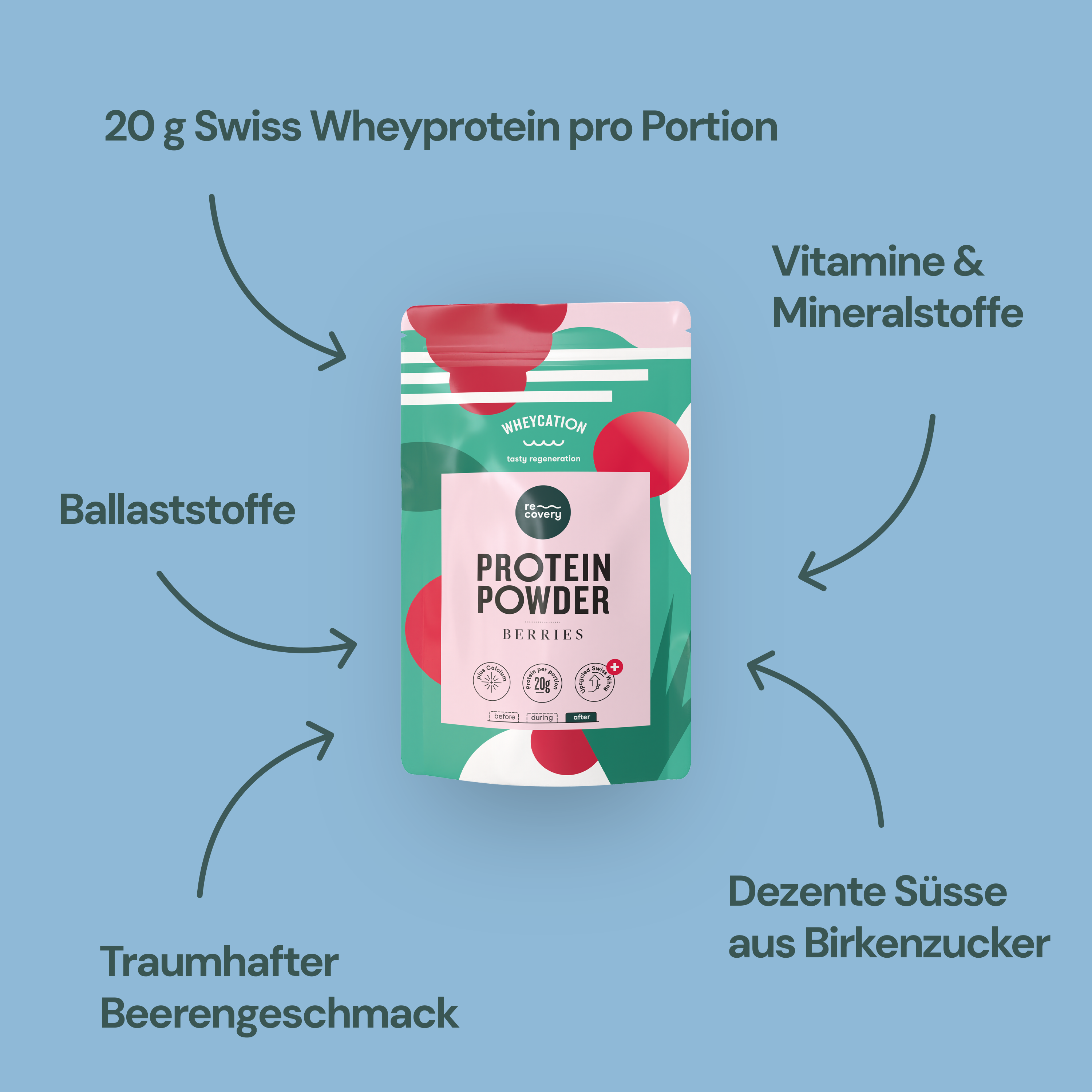
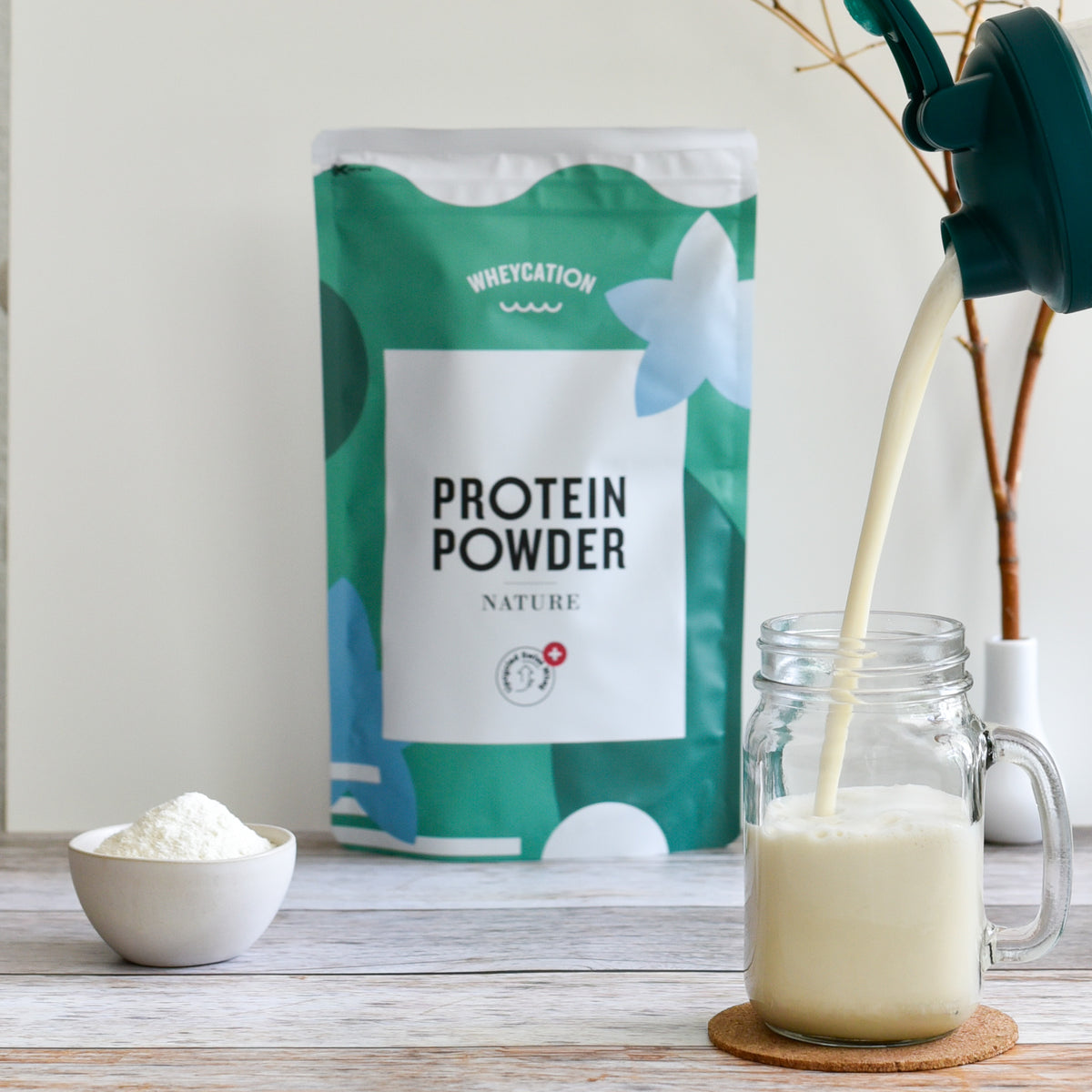
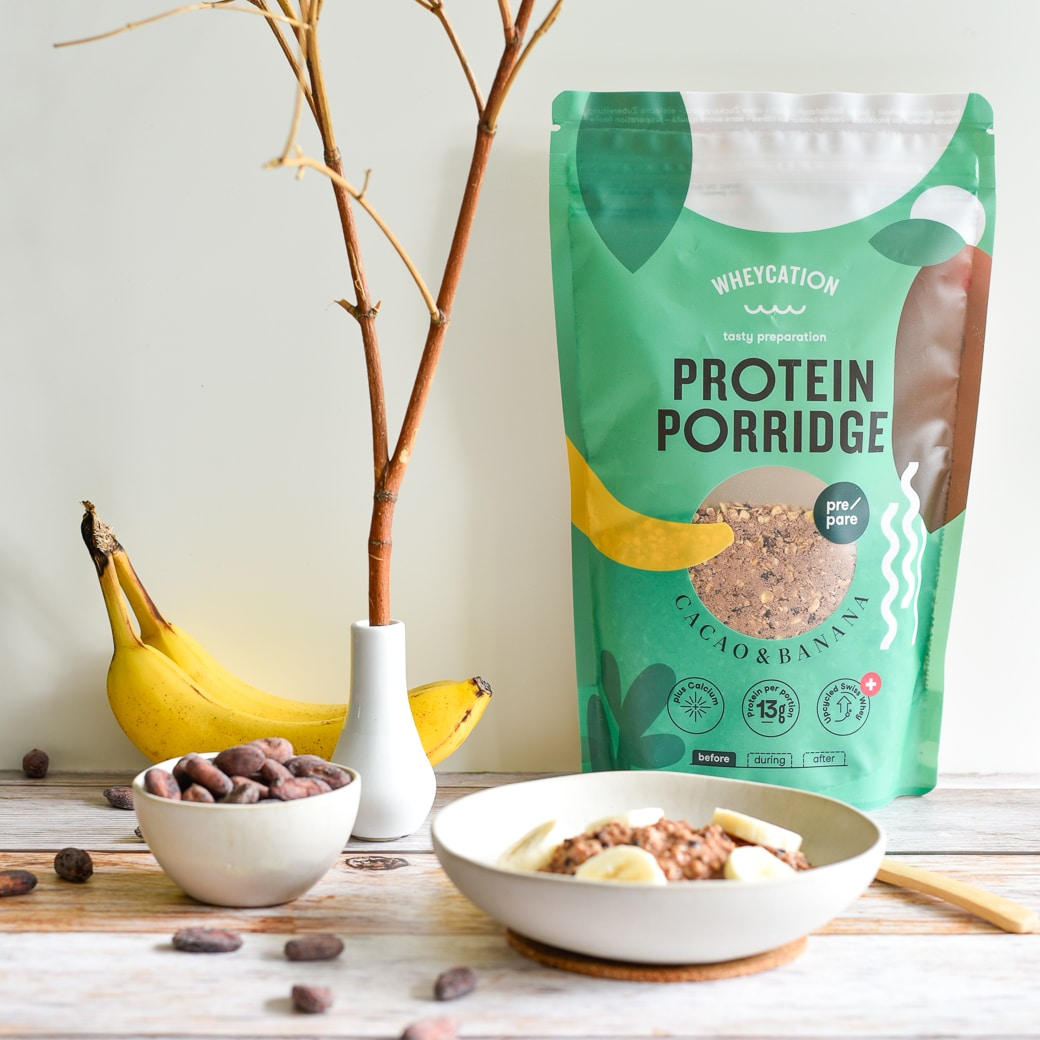
Protein powders are a practical supplement when it is difficult to meet the protein requirement through normal meals – for example, for physically active people, when traveling or after training.
They do not replace a balanced diet, but can provide useful support for one.
In conclusion, if you don't want to do the math for long: Generally speaking:
- A total of around 100g of protein per day, spread over 3-4 meals, is a good average amount.
- The amount per meal should be 25-30g of high-quality protein.
- For physically demanding daily routines, sports, advanced age, illness and low energy intake (weight reduction): increase the total amount per day.
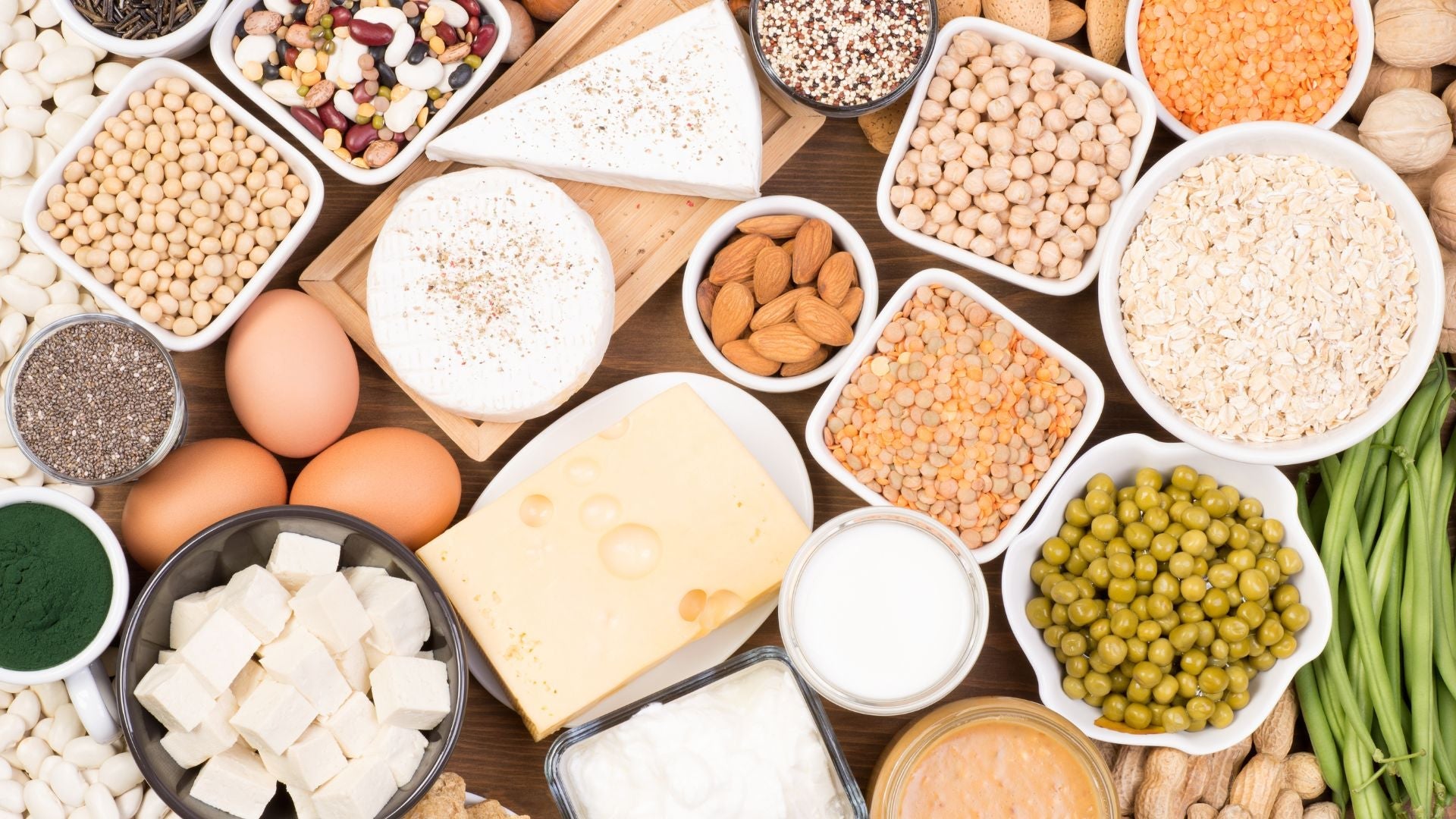
- If your protein sources are predominantly plant-based: increase the total amount per day and the amount of protein per meal.
The key is not perfection, but a sensibly distributed protein intake throughout the day that fits your everyday routine.
Sources
- Wheycation Blog: New recommendations on protein intake – are they necessary?
https://wheycation.ch/blogs/news/neue-empfehlungen-zur-proteinzufuhr-notig - Notabene Nutrition: New protein intake recommendations needed? https://www.notabenenutrition.media/2023/09/13/neue-empfehlung-zur-proteinzufuhr-noetig/
- Notabene Nutrition: Recommended protein intake for healthy adults https://www.notabenenutrition.media/2025/11/18/empfohlene-proteinzufuhr-fuer-gesunde-erwachsene/
- Swiss Sports Nutrition Society (SSNS): Protein in sport – HOT TOPIC https://share.google/0dvPYQZ0i1C69mAEy