
Lactose intolerance
Lactose is naturally present in whey. In Wheycation products, a large portion of the lactose is removed during processing, and the residual amount is generally well tolerated by those with a mild intolerance.


With our products, we want to support your wellbeing and therefore we pay close attention to natural digestibility. It is increasingly understood that physical health, mental health and wellbeing are also rooted in our gut. That is why we chose to place particular importance on ensuring that our products do not only provide optimal nutrients for your body, but that your gut microbiome feels well nourished too. Enjoyment is important to us, so we make sure, it does not fall short.
Wheycation develops functional and delicious food with ingredient lists, that we keep as short and transparent as possible, using Swiss whey and other premium raw materials. This approach is no coincidence: the fewer unnecessary additives a product contains, the easier it is to understand what is actually relevant to your own digestibility.
For us, digestibility is not a blank promise, but a question we want to answer with nuance. Because digestibility is more than just the presence or absence of certain ingredients. It is highly individual to you. Your body, your lifestyle and above all your gut microbiome are unique. That is why, we create transparency, so that with our support you can decide for yourself what wellbeing means to you.
This is what we claim for us as Wheycation, and we are here to share transparency.
An overview: What can influence your wellbeing.
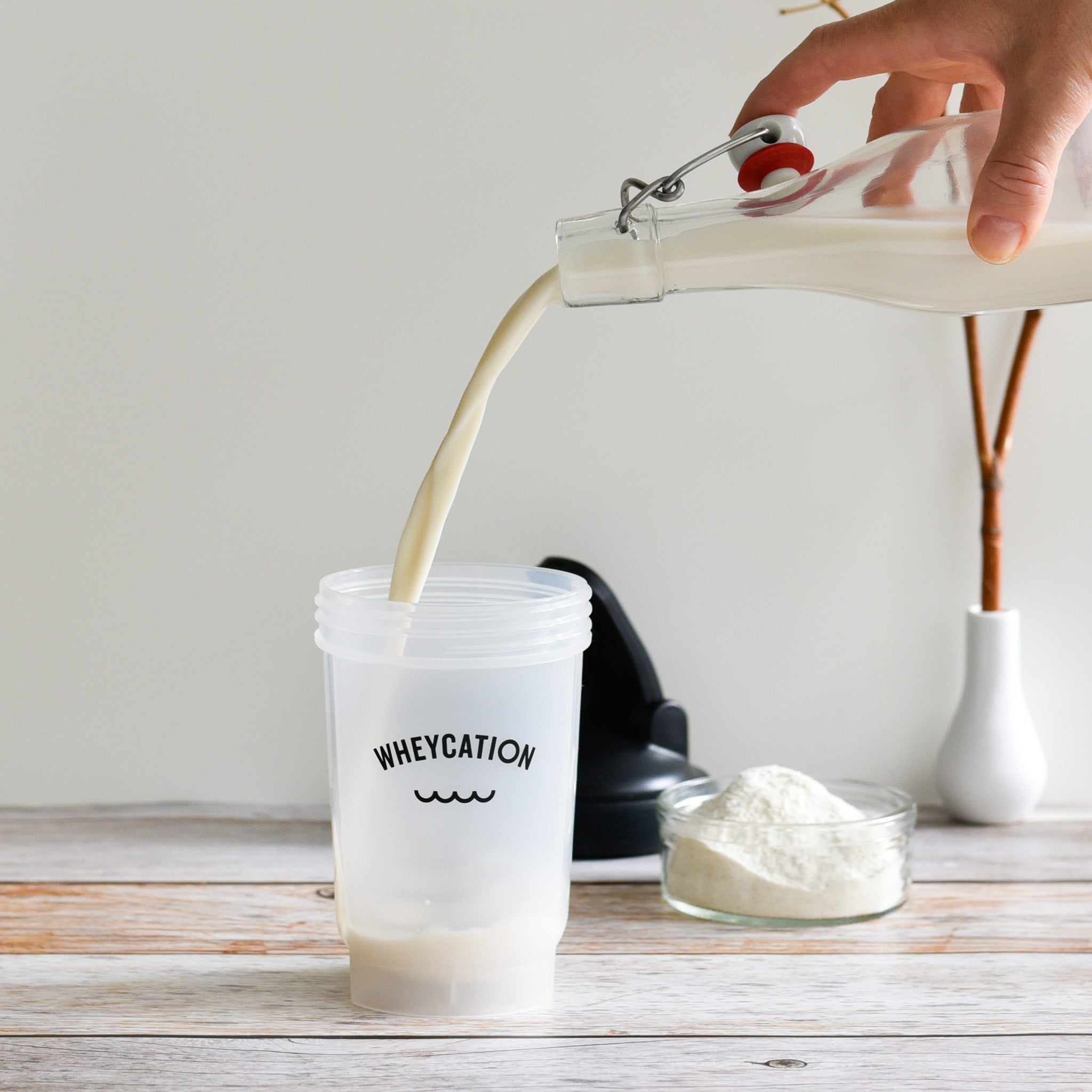
Lactose is naturally present in whey. In Wheycation products, a large portion of the lactose is removed during processing, and the residual amount is generally well tolerated by those with a mild intolerance.
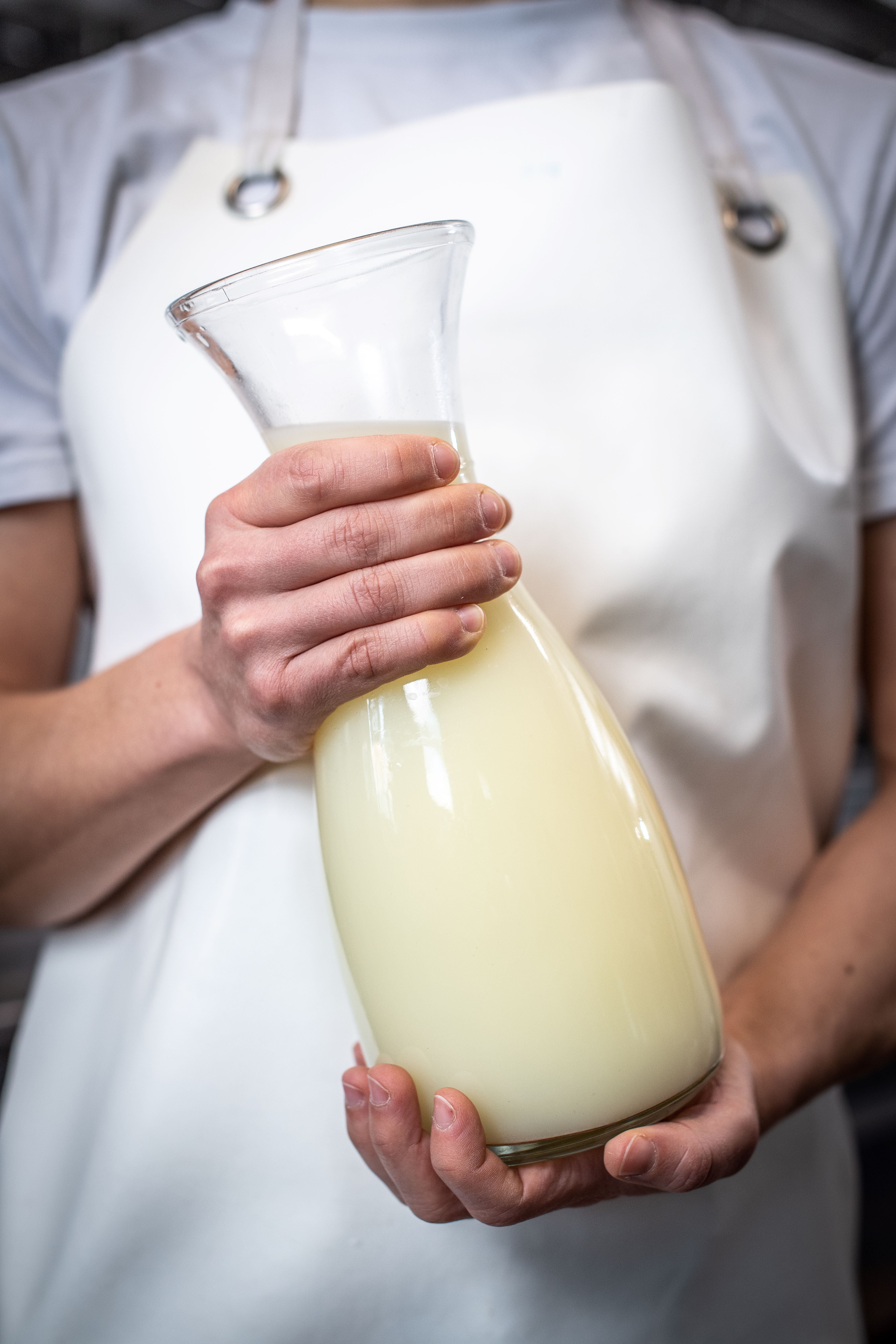
Not every reaction to dairy products is caused by lactose. Milk proteins can also play a role, and it is important to distinguish between whey proteins and casein.
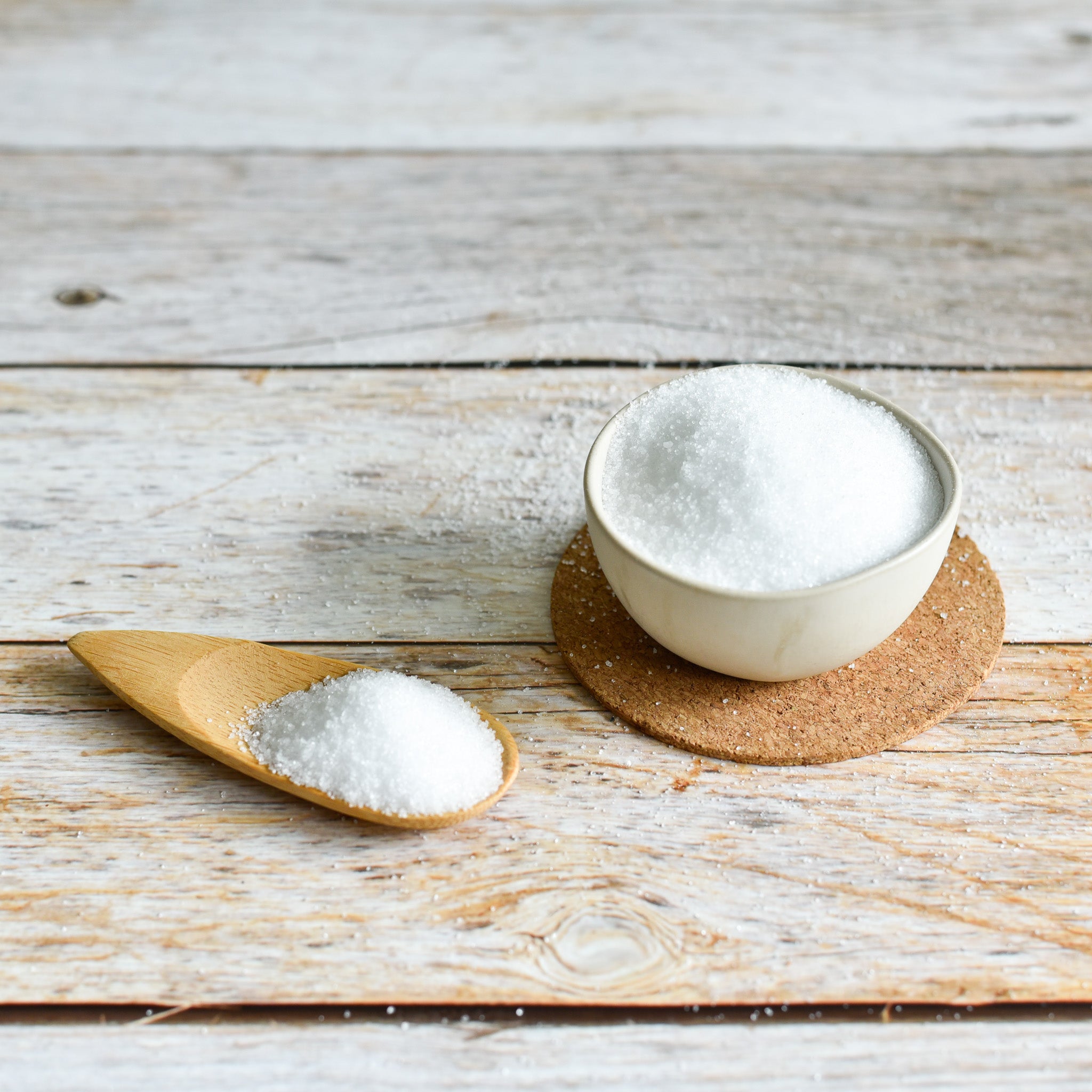
The type of sweetener and its amount are decisive. We do not use any artificial sweeteners.
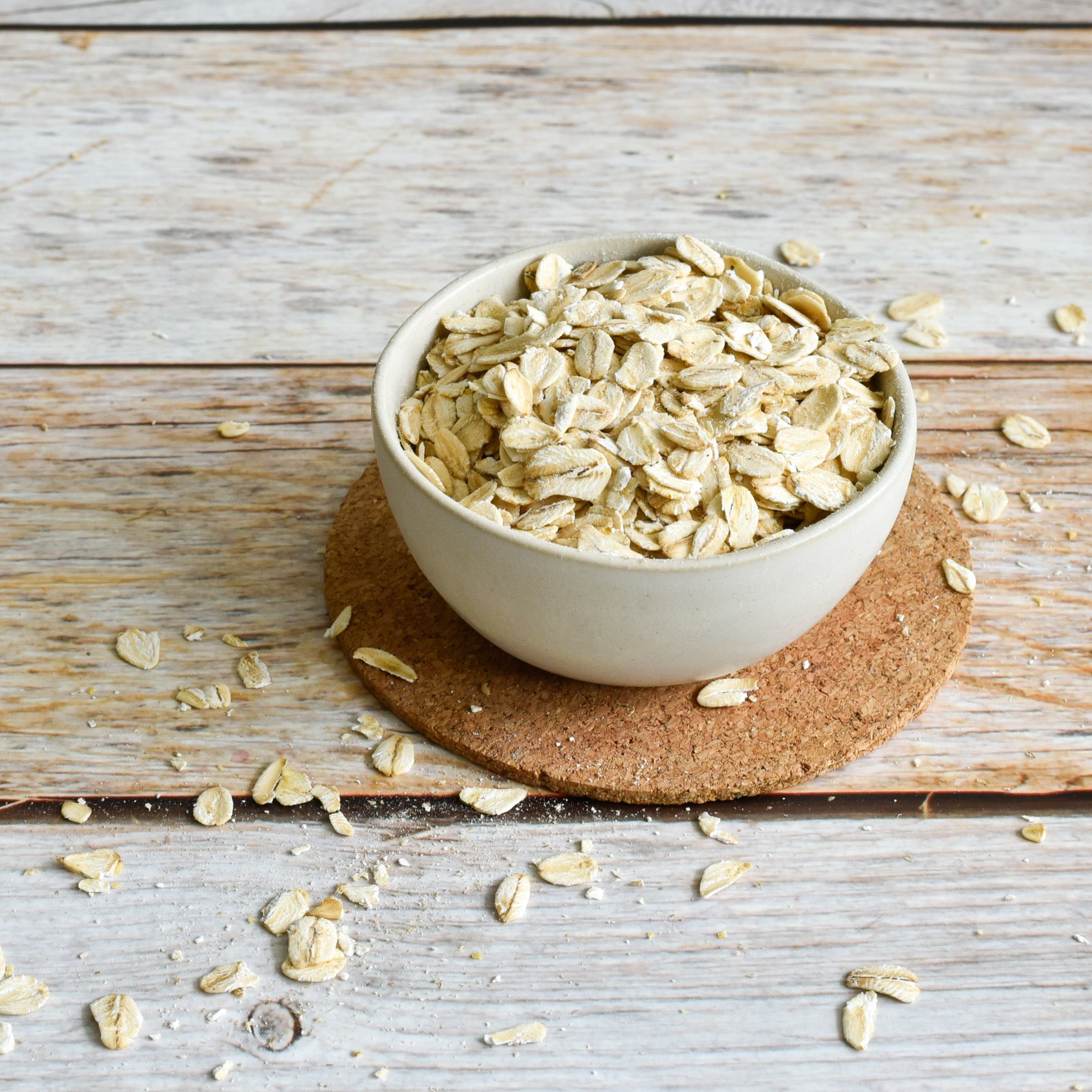
Gluten is naturally present in various types of grain. Wheycation products contain no gluten-containing ingredients, though caution is advised with the porridge for those with an intolerance or coeliac disease.
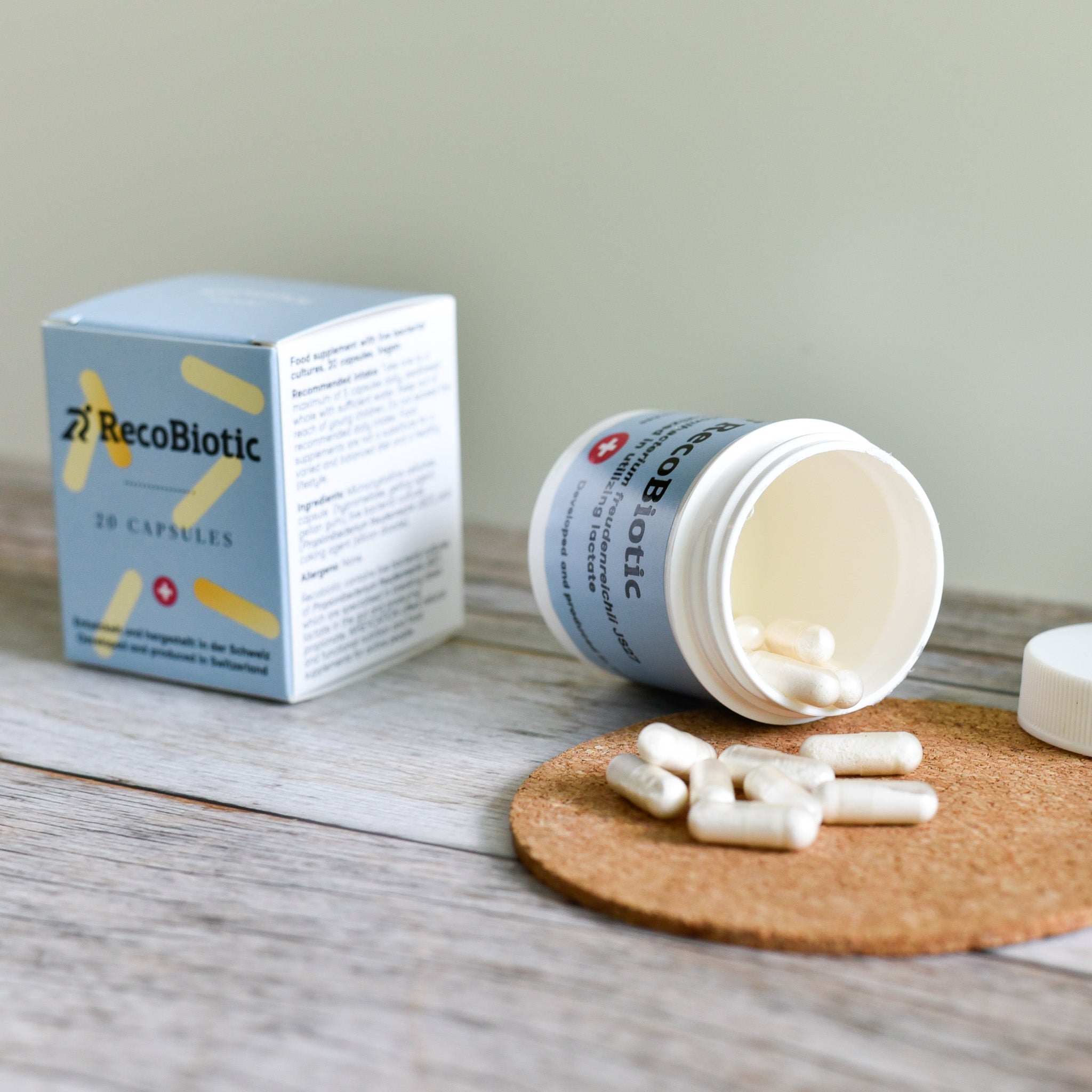
Our gut microbiome is as individual as we are. Probiotic and prebiotic foods can influence its composition.
Lactose is the natural sugar found in milk and therefore also in whey. For our body to absorb lactose, it must first be broken down in the small intestine by the enzyme lactase. If too little lactase is produced, a portion of the lactose reaches the large intestine undigested, where it is fermented by gut bacteria, which then can cause bloating, stomach pain or diarrhoea.
Important: Lactose intolerance is not an allergy, but an intolerance whose severity can vary greatly between individuals. While some people react to even very small amounts, others can tolerate moderate quantities, particularly in low-lactose products, without any issues.
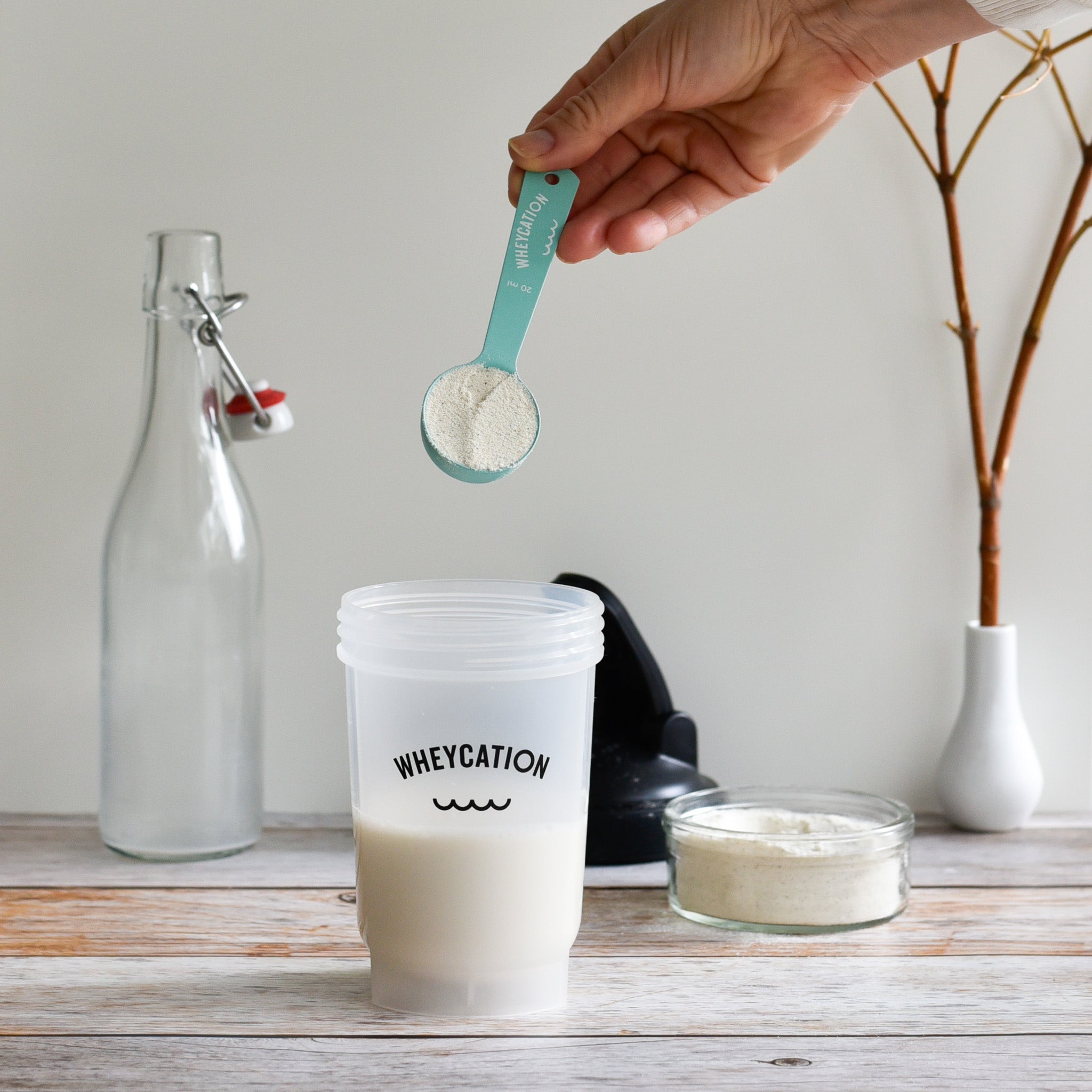
During cheese production, a large portion of the lactose from milk passes into the side stream product whey. To produce whey protein concentrate, whey is then filtered and concentrated. This removes a large portion of lactose, but a certain amount naturally remains in whey protein concentrate.
Wheycation uses Swiss whey protein concentrate for its protein products, not whey protein isolate from which lactose has been completely removed. This is why our protein products are not lactose-free.
In Switzerland, foods containing less than 0.1g of lactose per 100g/ml are considered lactose-free. Products with less than 1g per 100ml are considered low in lactose and are generally well tolerated by many lactose-sensitive individuals.
The amount of lactose you consume from a Wheycation product depends on the specific formulation and serving size.
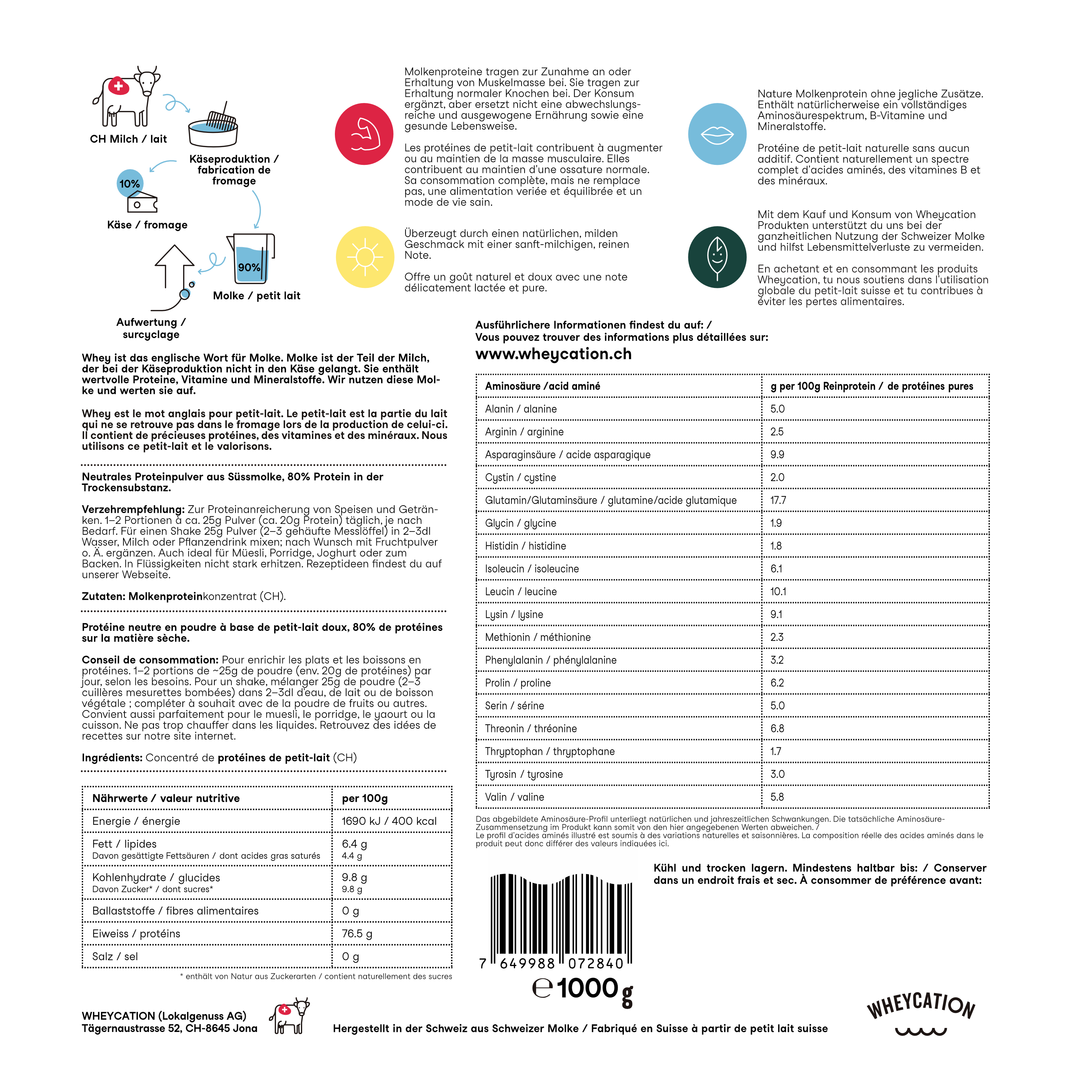
Our Protein Powder Nature, for example, contains 9.8g of lactose per 100g of powder. At the recommended serving of 25g, this amounts to around 2.5g of lactose.
Regular cow milk contains around 5g of lactose per 100ml. Our protein shakes, prepared with 40g of powder and 200ml of water contain less than 1g of lactose per 100ml, which is around one fifth of that.
Our Protein Porridge contains even less lactose.
Many of our customers with lactose intolerance report very good tolerability, also thanks to our carefully balanced formulation with natural ingredients and no artificial sweeteners.
The exact nutritional values can always be found directly on the individual product page. If you do not tolerate lactose well, it is worth checking the individual amount per serving and considering your own personal tolerance.
Milk does not contain one single type of protein. Milk proteins are divided into casein and whey proteins. During cheese production, these protein fractions are largely separated: casein, together with the milk fat, forms the basis of the cheese, while the whey proteins remain in the liquid whey.
Our whey protein concentrate contains whey proteins and differs significantly in its protein composition from that of cheese.
The digestibility of whey proteins and casein can differ, as they are distinct in protein fractions. Whey proteins are generally better tolerated than casein.
Lactose intolerance affects milk sugar, while a milk protein allergy affects the milk proteins themselves. With an allergy, the immune system reacts to certain components of the milk protein. Even small amounts can therefore trigger a reaction.
Anyone with a diagnosed milk protein allergy should avoid products containing both whey proteins and casein.
Our flavoured protein powders are intentionally only subtly sweetened. For most flavours, we use xylitol, also known as birch sugar. Xylitol belongs to the sugar alcohols (polyols), is derived from a natural source, provides less energy than sugar and is metabolised differently. It allows us to avoid intensive artificial sweeteners.
Not all Wheycation products contain xylitol. Our Protein Powder Nature, for example, contains no added sweetener at all. Protein Powder Banana and our Protein Porridges are also not sweetened with xylitol.
What matters to us: xylitol is a sweetener, but not an artificial one.
Xylitol belongs to the polyols and to the so-called FODMAPs. This means, your small intestine only partially absorbs xylitol, the remainder passes into the large intestine, where it is fermented. In sensitive individuals, this can lead to bloating or a laxative effect above a certain amount.
Important: What constitutes "too much" varies greatly between individuals. As a rough guide, the literature often cites 20–30g per day as the threshold at which sensitive individuals may notice an effect. Our flavoured varieties containing xylitol provide around 7g per serving of 40g powder.
Anyone who knows they are sensitive to polyols or FODMAPs should pay attention to the amount and, if in doubt, start with a smaller serving and test their own tolerability.
Artificial sweeteners such as aspartame, sucralose or steviol glycosides are synthetically produced substances that are many times sweeter than sugar and contain no calories.
We deliberately avoid intensive sweeteners such as aspartame or sucralose, also for flavour reasons. At higher concentrations, they often leave a metallic or bitter aftertaste.
Gluten is a collective term for certain proteins found in grains such as wheat, spelt, rye and barley. It is responsible, for example, for making doughs elastic and helping them hold their structure.
For the vast majority of the population, gluten is a normal part of the diet. The situation is different for people with coeliac disease: here, gluten triggers an immune response that can damage the lining of the small intestine.
Symptoms following the consumption of grain products do not only affect people with coeliac disease. In addition to coeliac disease, there are other forms of gluten sensitivity.
For recurring symptoms, medical assessment is advisable before permanently eliminating gluten from the diet.
Our protein powders contain no gluten by formulation. We only use gluten-containing ingredients in the Protein Porridges (due to the oats) and in the pancake mix.
Since gluten-containing raw materials are used in our production, we cannot rule out, despite a strict allergen management concept, that trace amounts of gluten may be present in the powders. However, allergen cleaning procedures are regularly monitored for their effectiveness and products are tested for cross-contamination. The amounts found always remain clearly below the legal limits. For anyone with medically confirmed coeliac disease, we nonetheless recommend consulting a specialist before consuming our products.
Our digestive tract is home to trillions of microorganisms. The total of these microorganisms is referred to as the gut microbiota, while their genes and habitat are often collectively described as the gut microbiome.
The composition differs from person to person and is influenced by numerous factors, including diet, age, lifestyle, medication and environmental influences. This very individuality is one reason why people can react differently to the same foods.
Probiotics are live microorganisms that can confer a health benefit. Prebiotics, on the other hand, are certain substrates that are used by microorganisms in the gut and can thereby produce a health benefit.
Many dietary fibres are fermented by gut bacteria. However, dietary fibre and prebiotic are not automatically the same thing. Here too, a nuanced approach is worthwhile rather than assuming that every fermentable fibre is equally well suited to every person.
What is good for our gut cannot be reduced to a single ingredient. A varied diet, different fibre sources and individual circumstances all play a role together. Adaptation to certain fermentable carbohydrates can also influence wellbeing.
This is why Wheycation does not want to make blank promises about gut-friendliness. Instead, we rely on transparent ingredient lists and explain what each product contains. This helps you better assess which products suit your personal needs.
If you are not sure how your body reacts to individual ingredients, we recommend our sample pack with individual portions, so you can try your personal digestibility at your own pace.
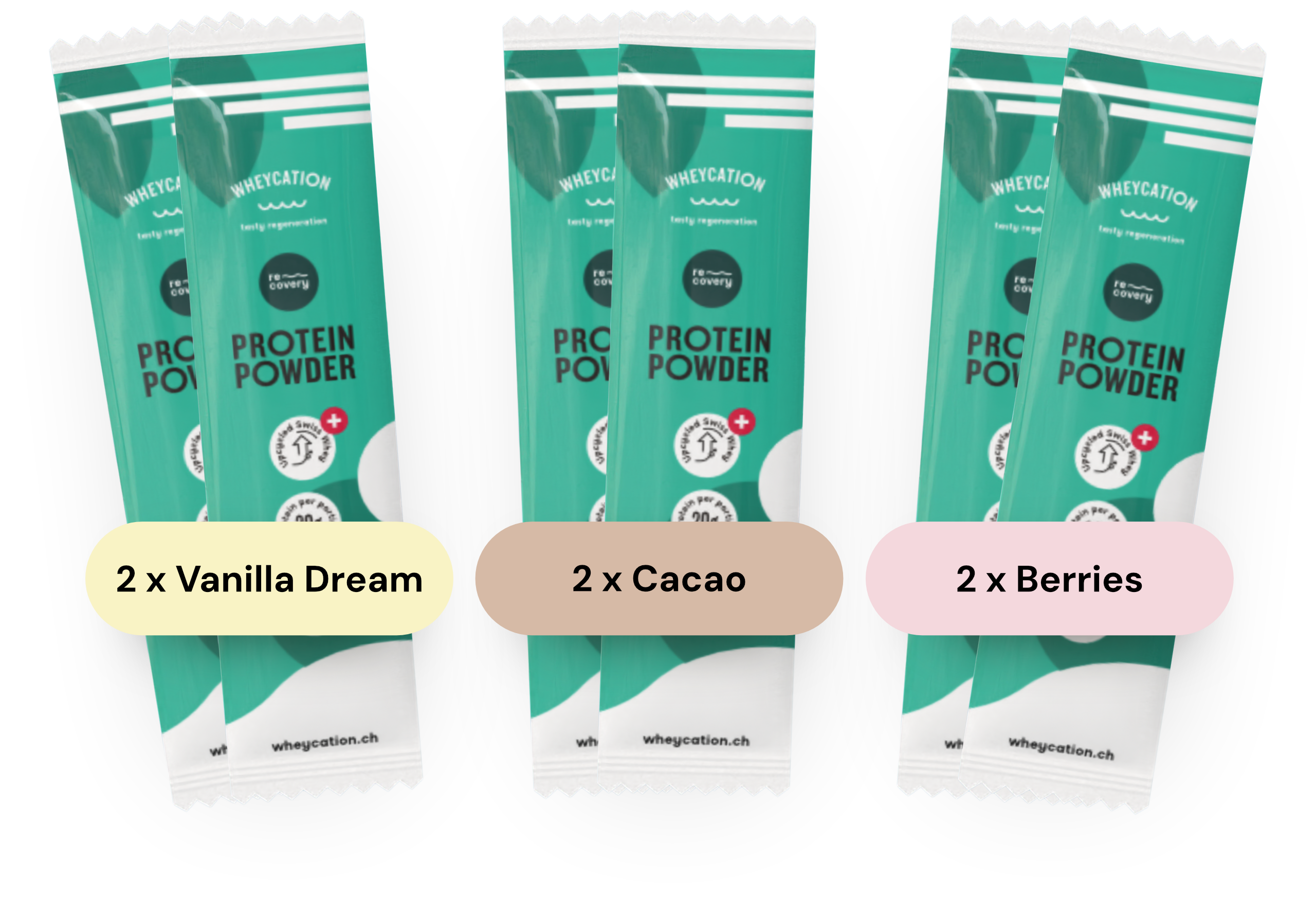
Try the natural, delicious flavour and see how well you tolerate it.

Two 20g samples
per flavour

Three of the best
Vanilla Dream, Cacao & Berries

Enjoy Swiss
quality and tase

Free shipping
for this sample package
*Shipping costs only apply if you combine it with other products and do not reach the free shipping threshold of CHF 50.
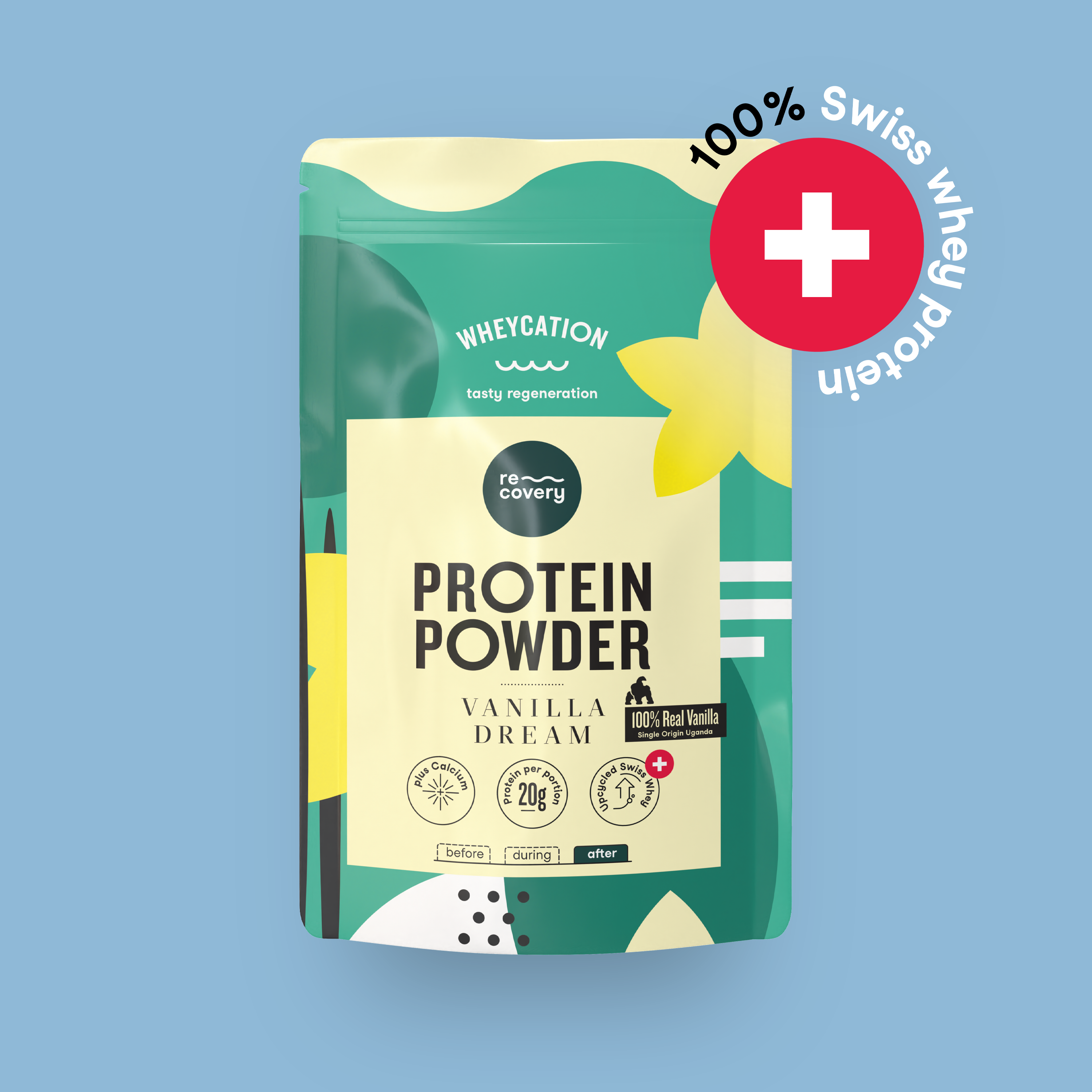
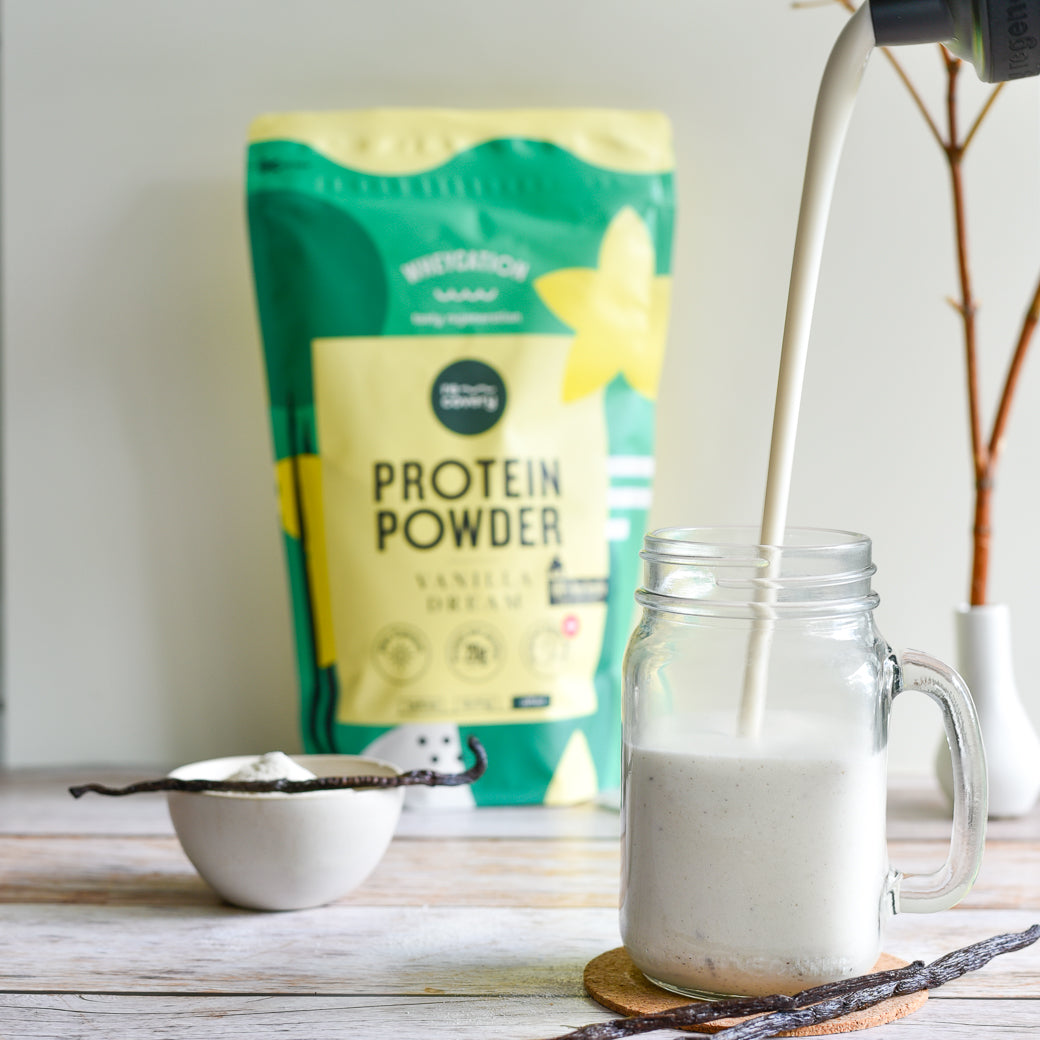


Whey Protein Powder Vanilla Dream 520g
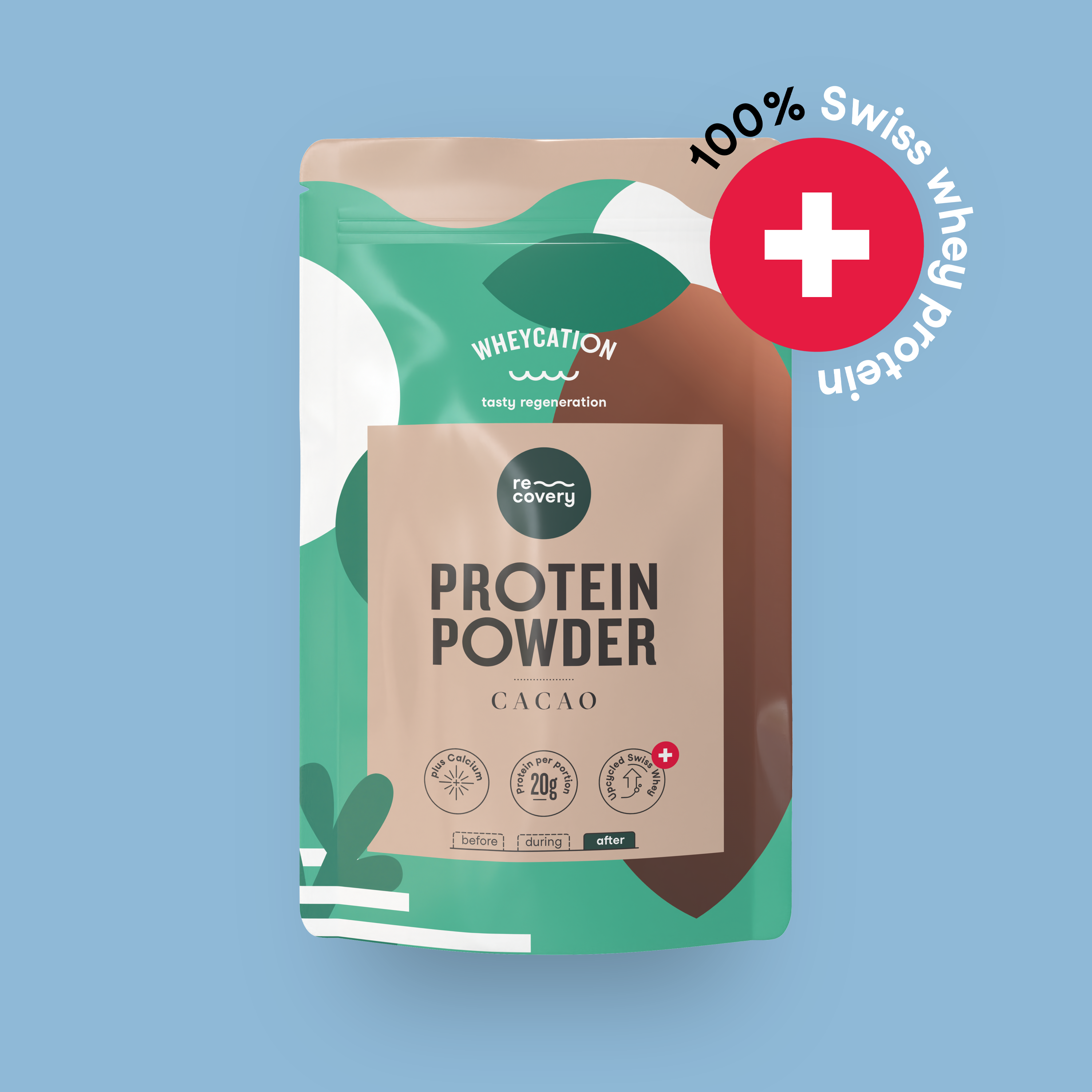
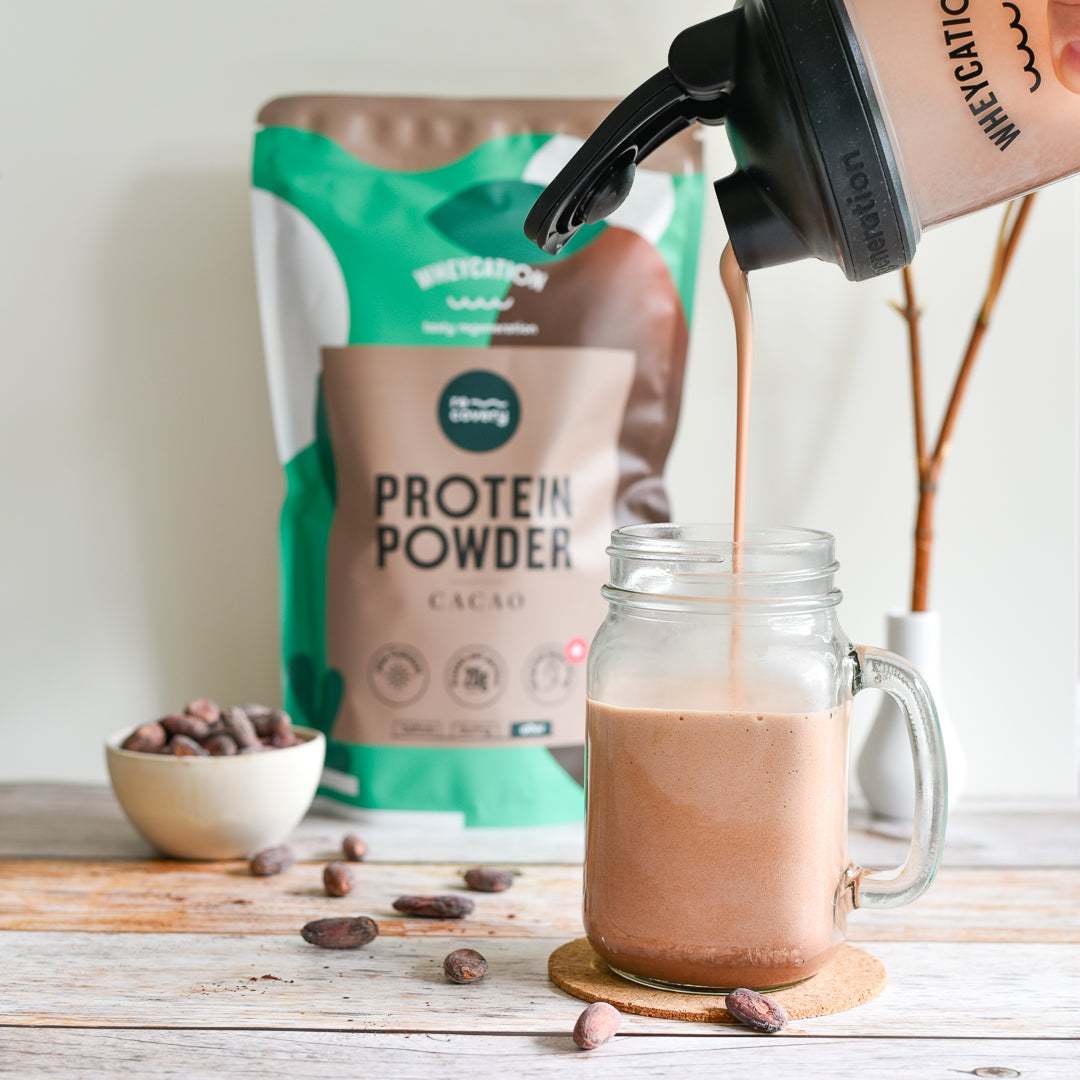
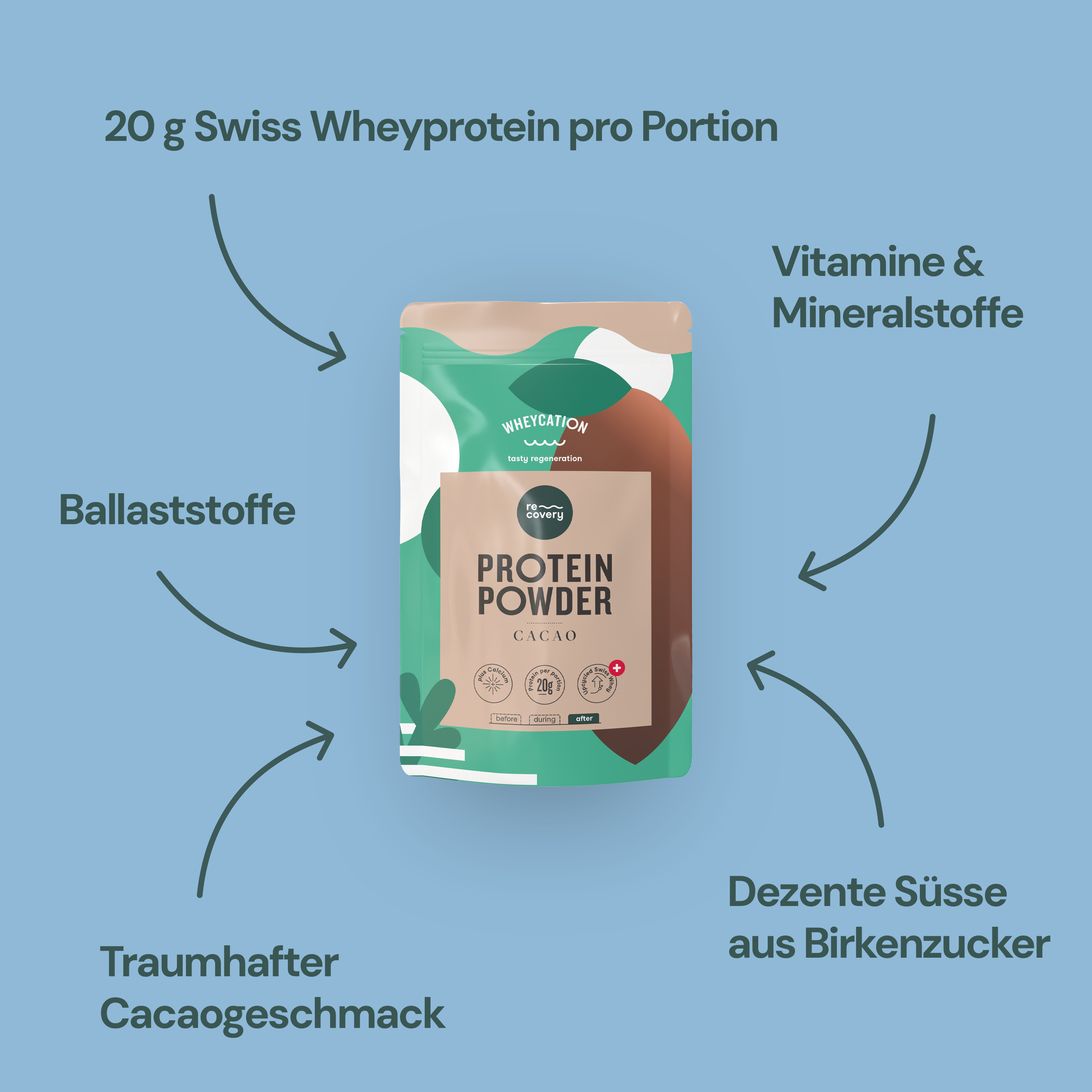
Whey Protein Powder Cacao 520g
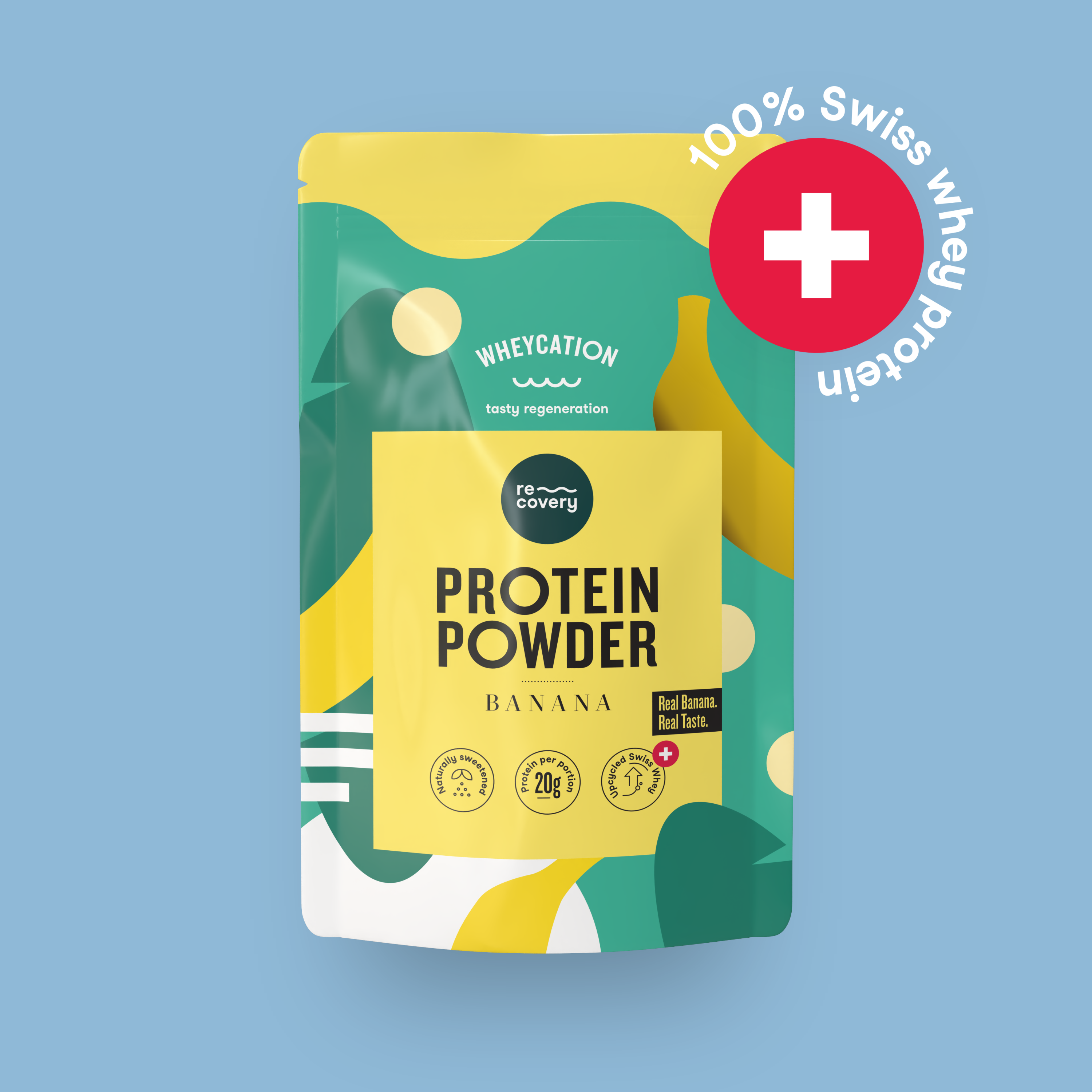

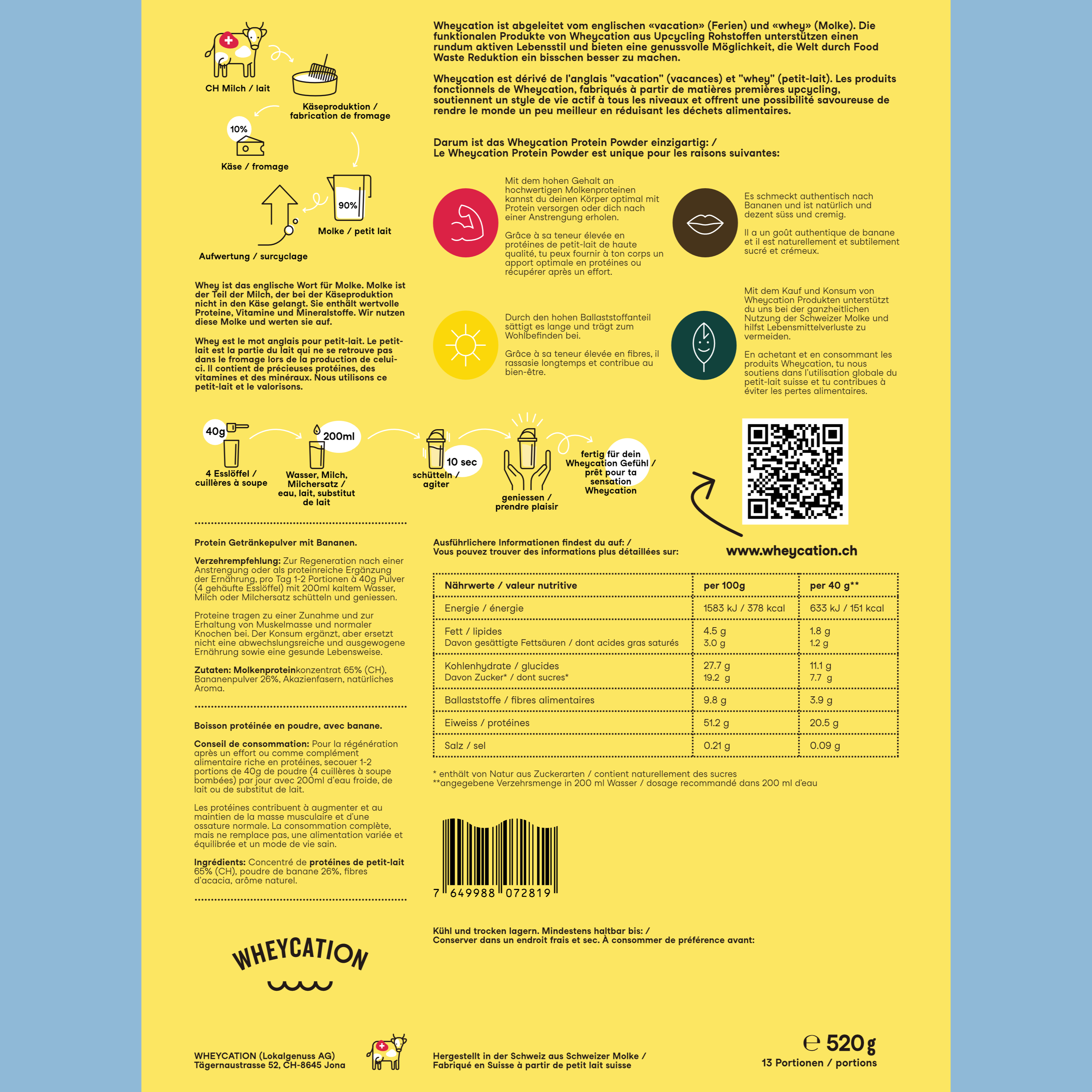
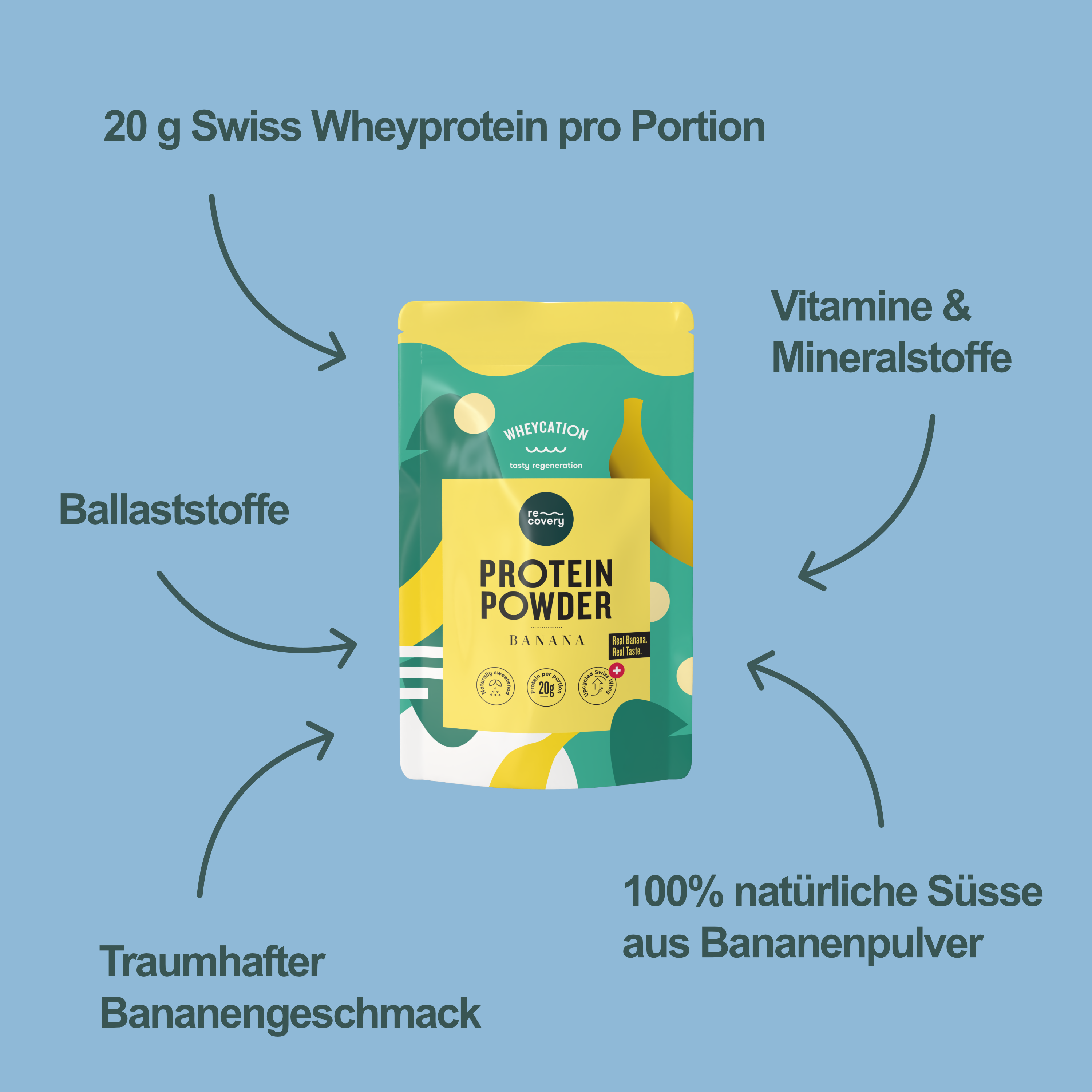
Whey Protein Powder Banana 520g
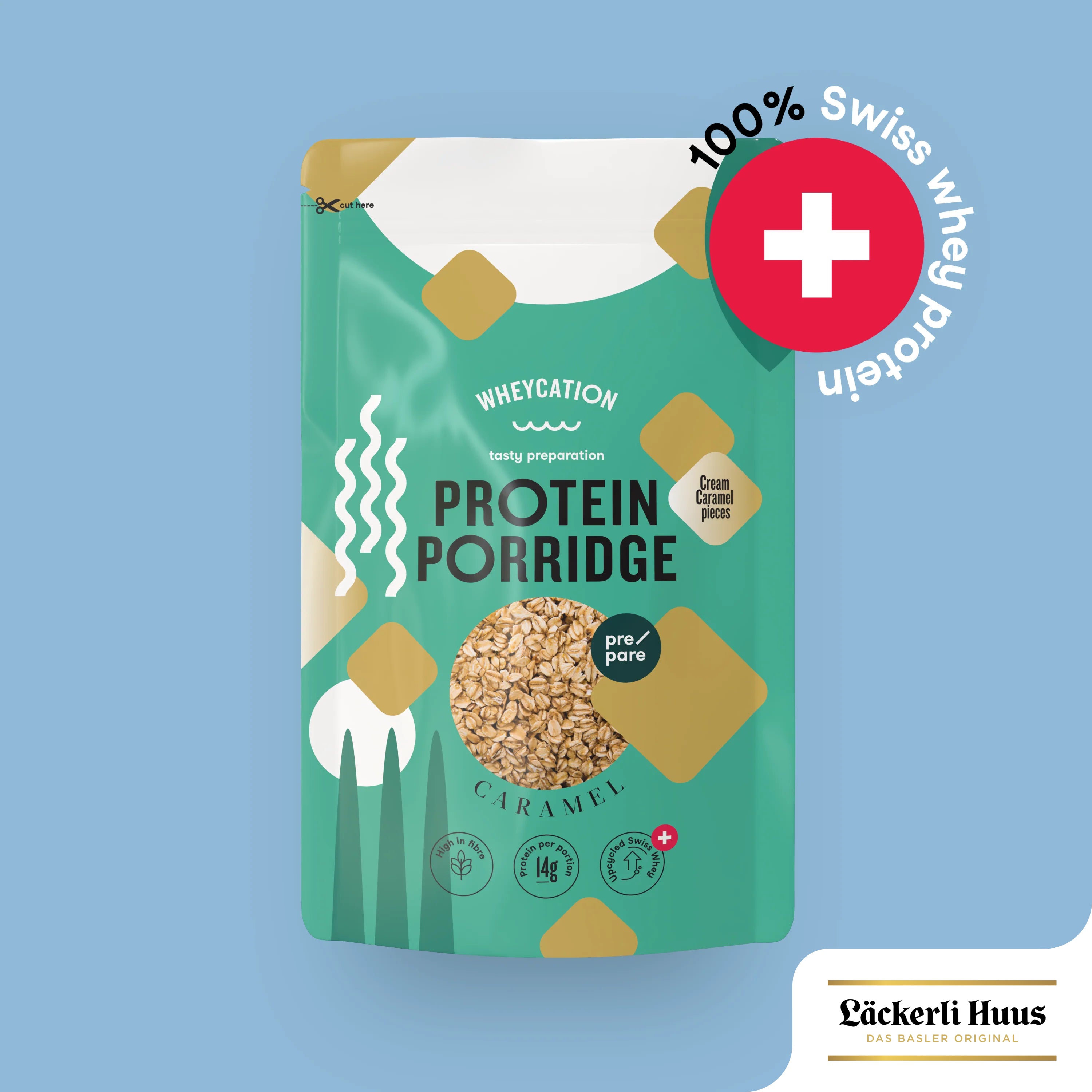

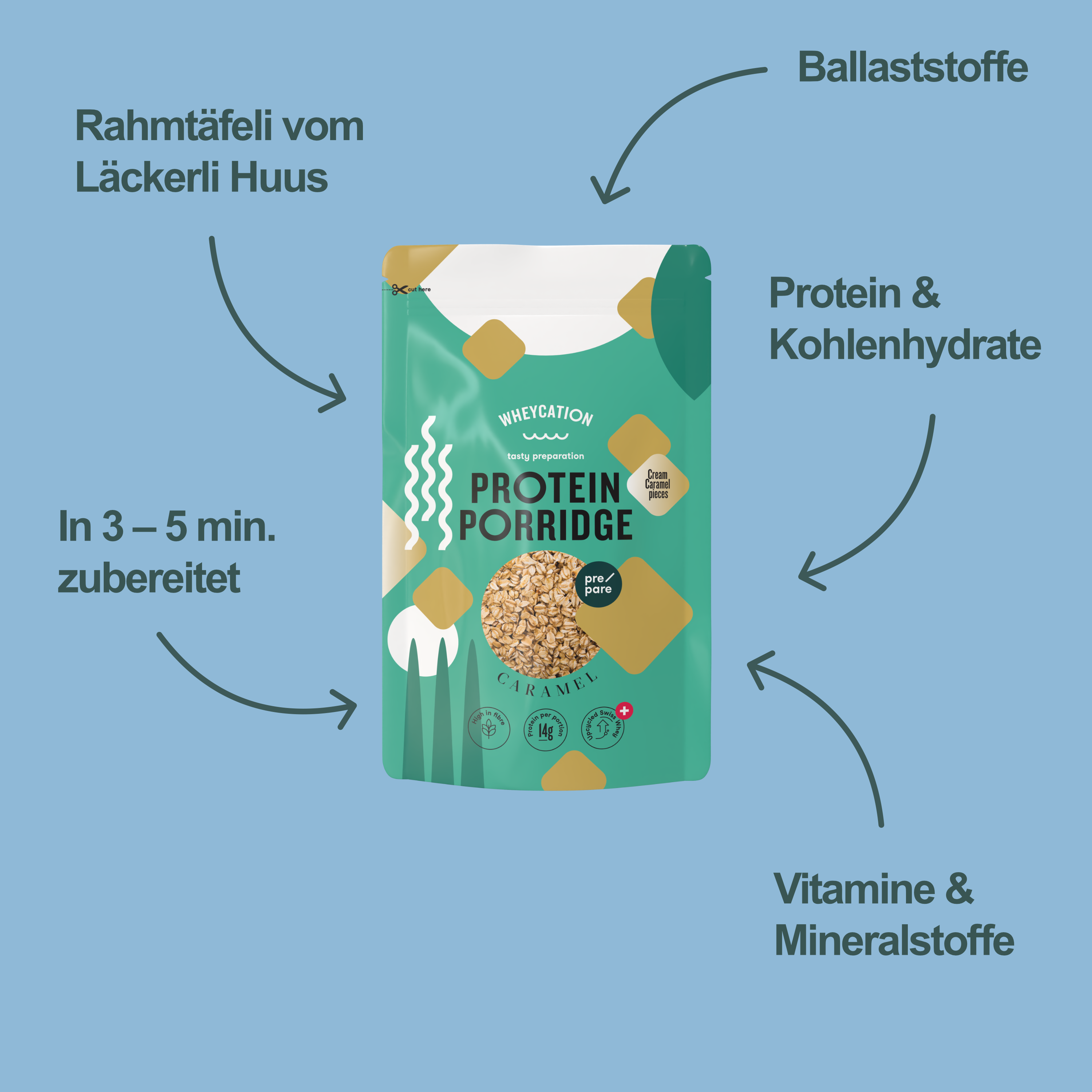
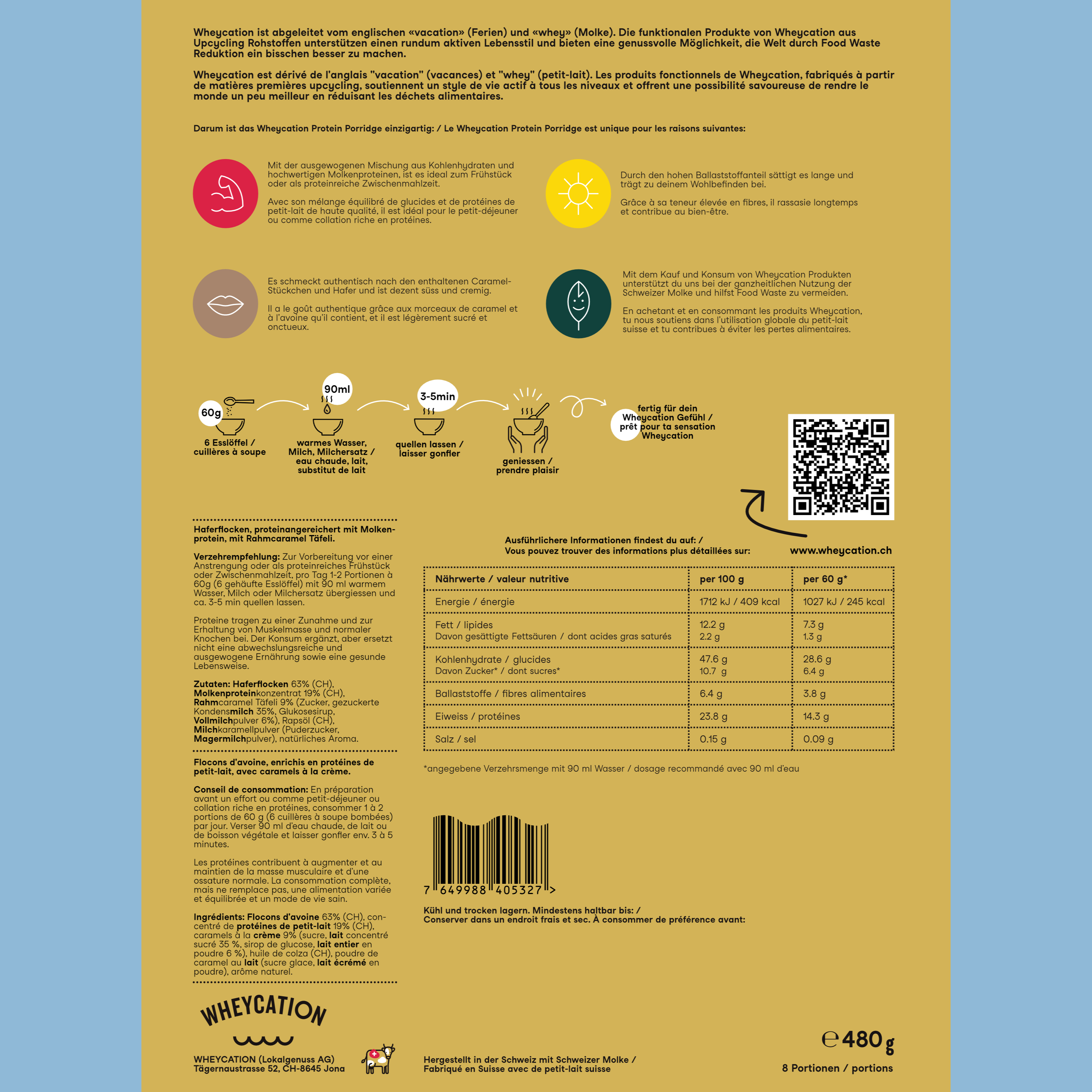
Whey Protein Porridge Caramel 480g
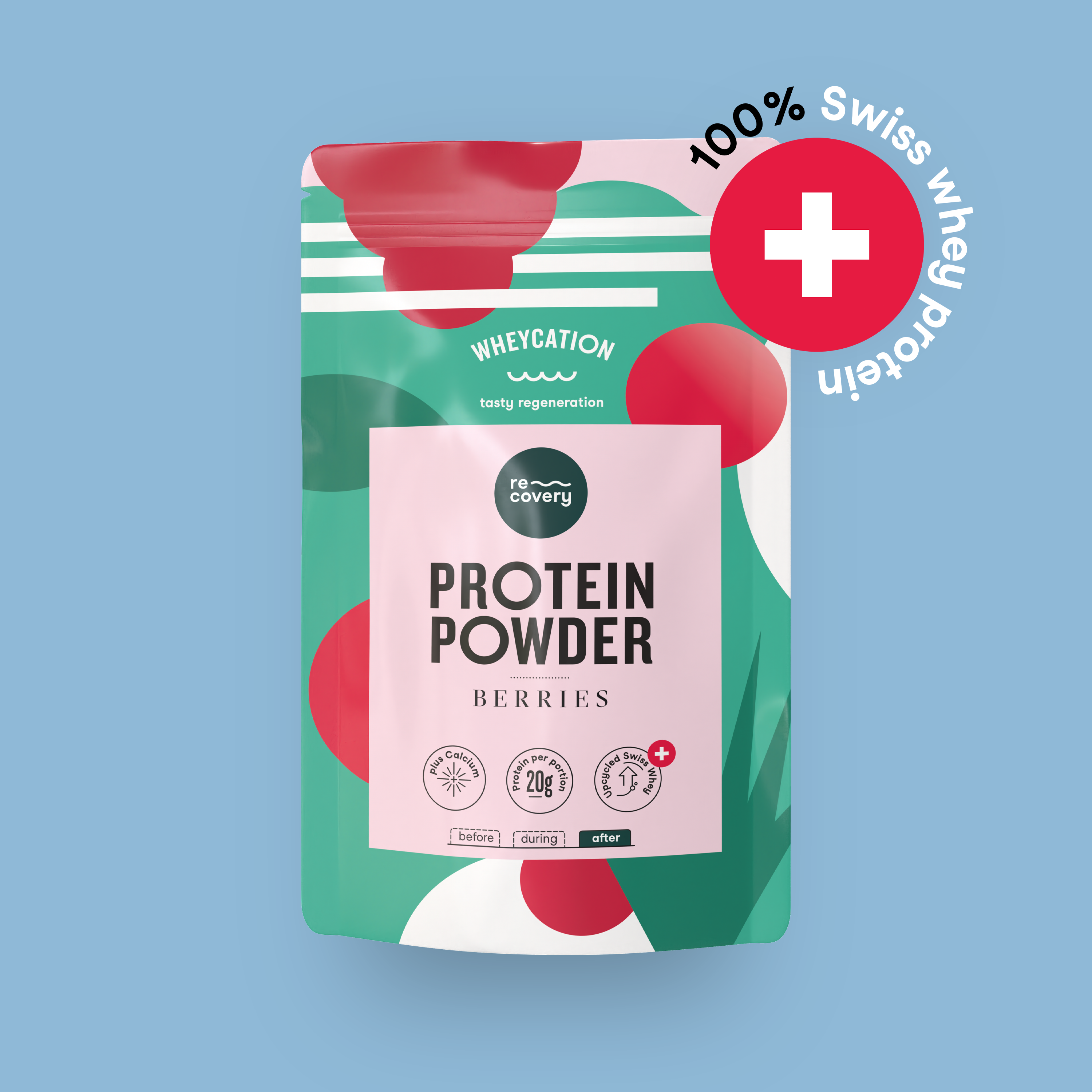
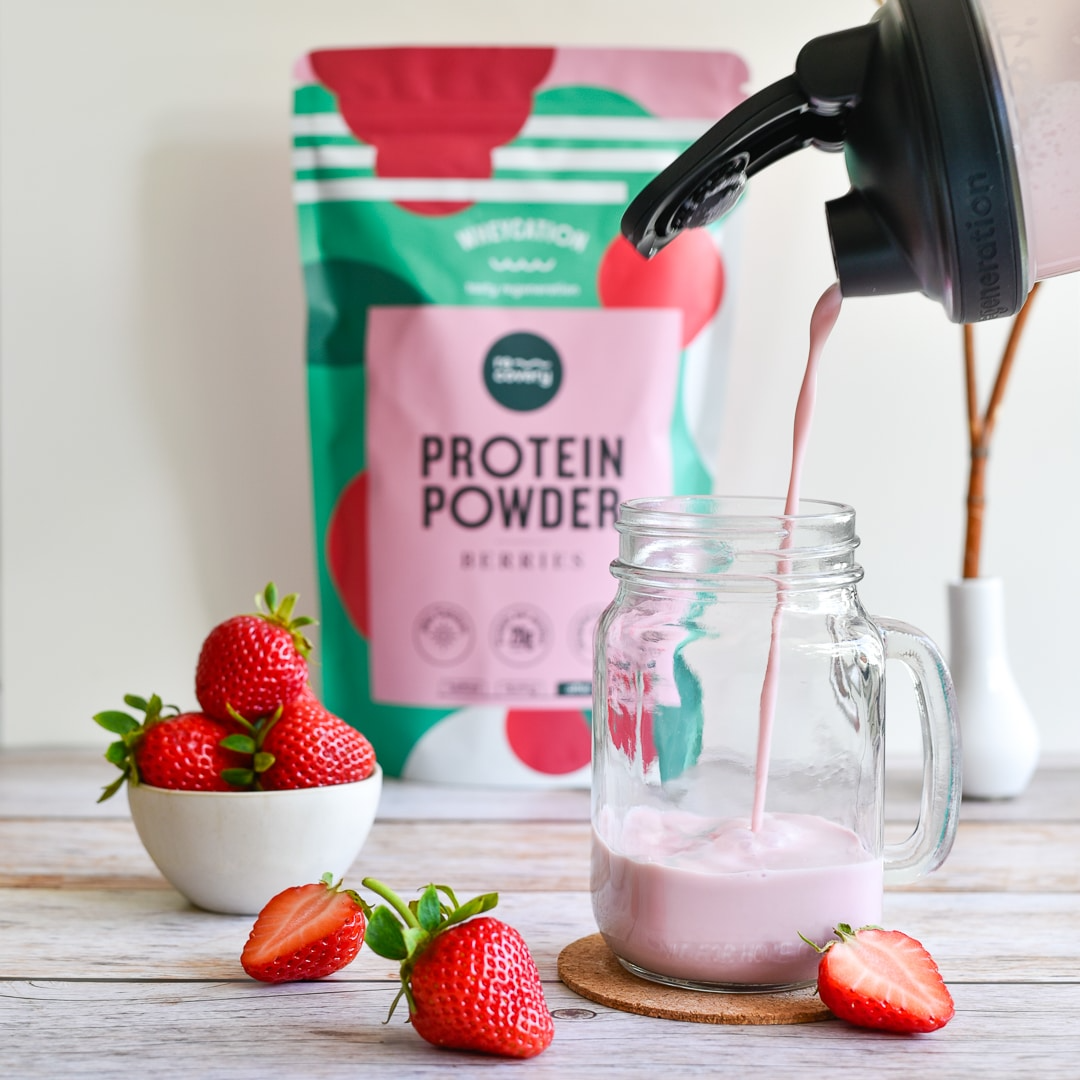
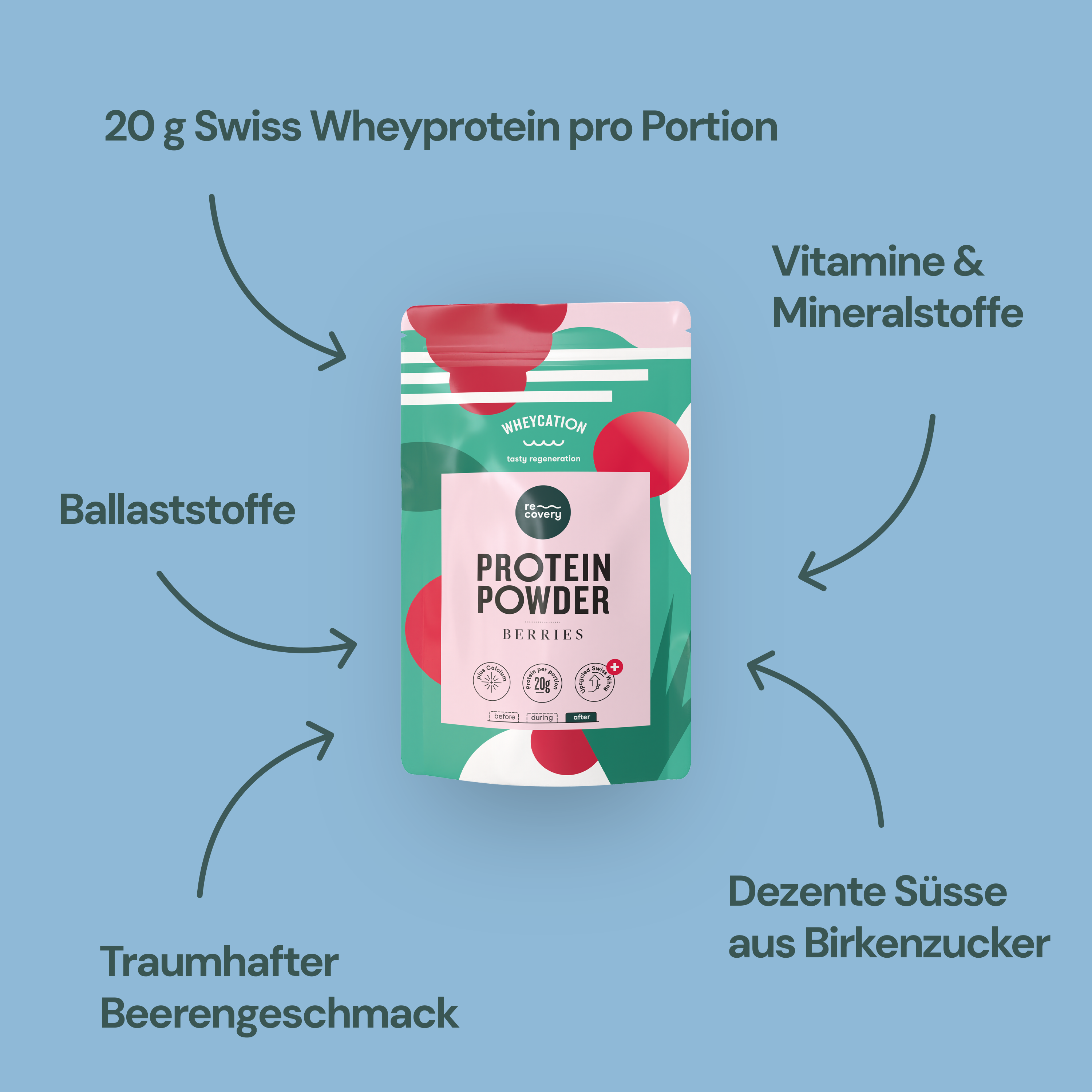
Whey Protein Powder Berries 520g
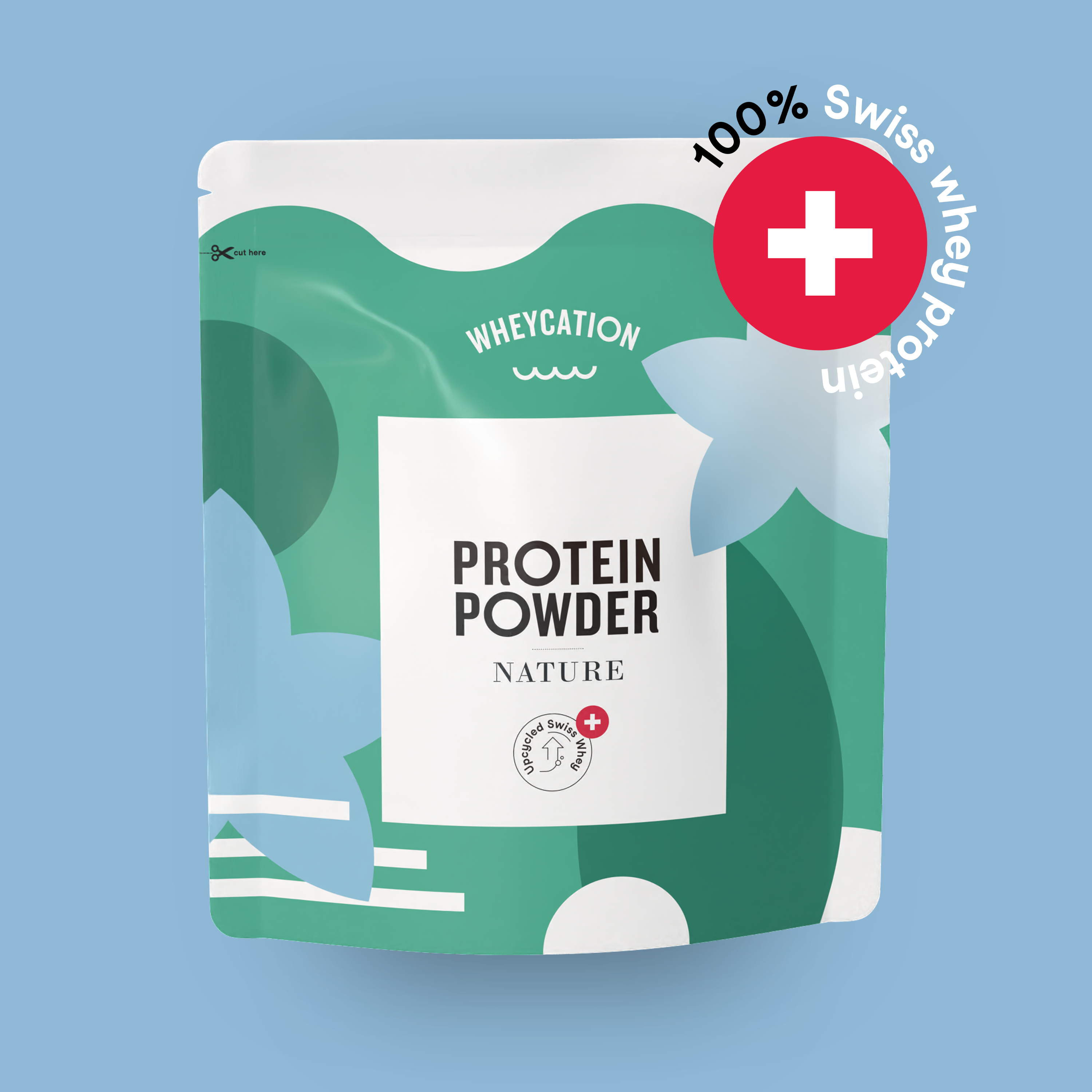
Whey Protein Powder Nature 1000g
Whey Protein Powder Vanilla Dream 520g
Whey Protein Powder Vanilla Dream 260g
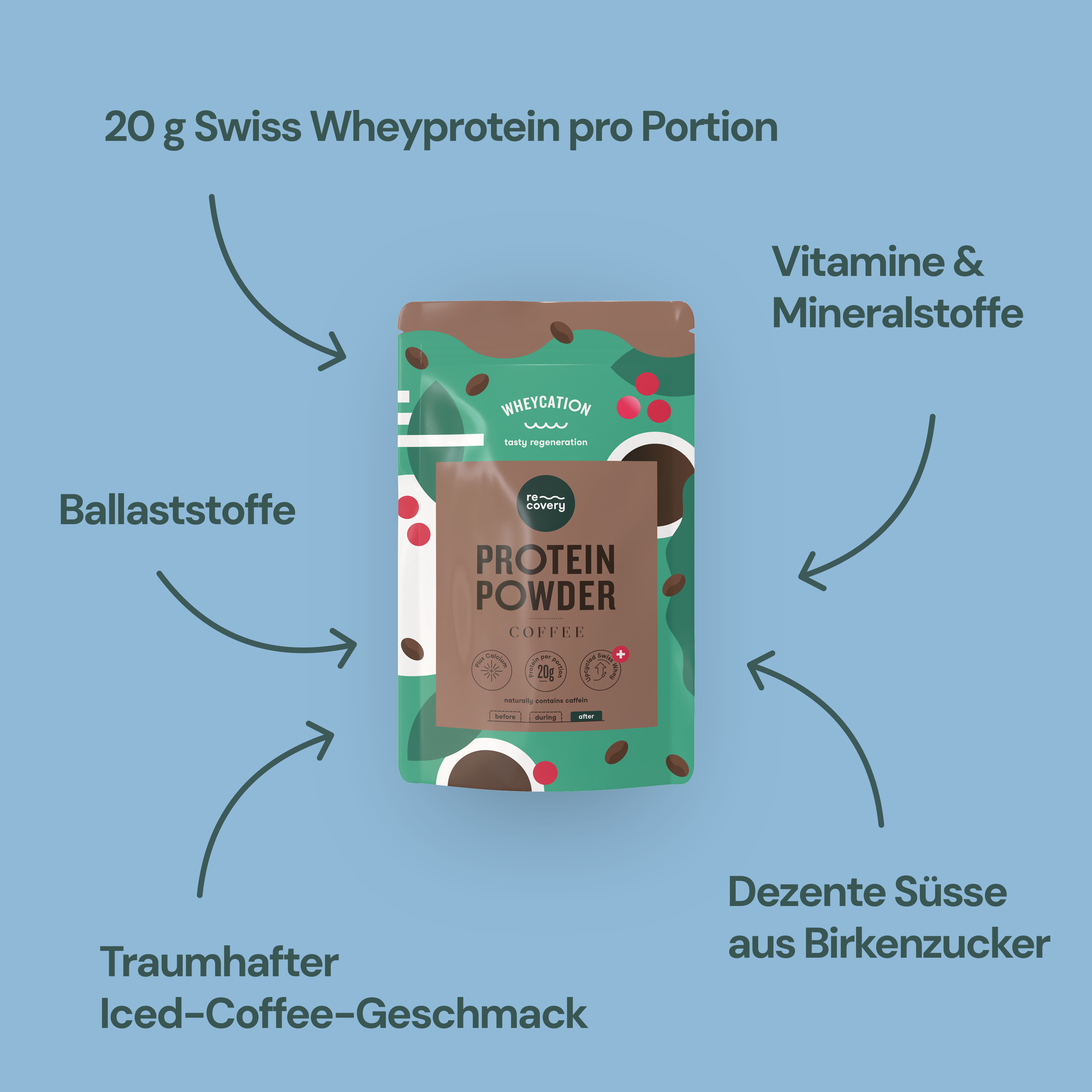
Whey Protein Powder Coffee 520g
Whey Protein Powder Coffee 260g
Whey Protein Powder Cacao 520g
Whey Protein Powder Cacao 260g

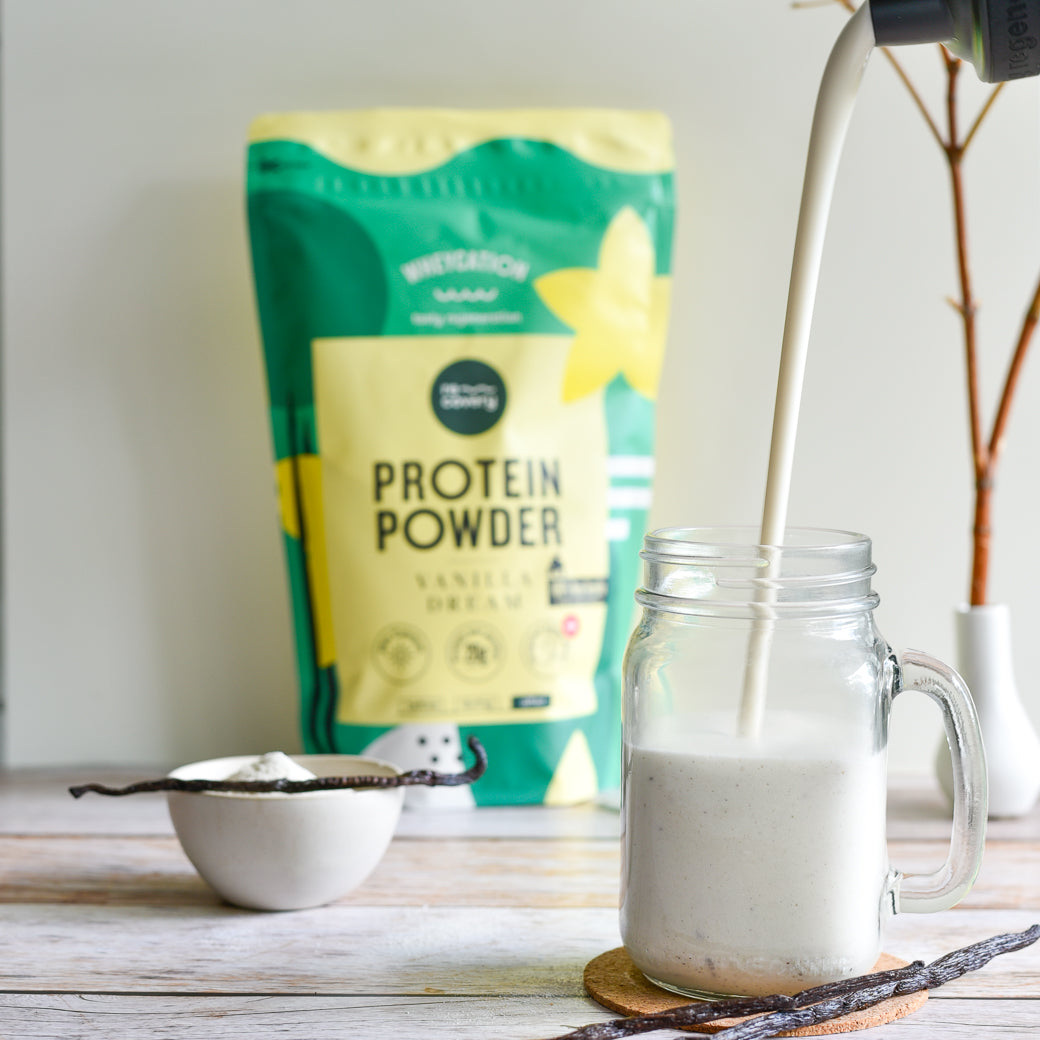
Starter Set Whey Protein Powder 3x260g with Berries
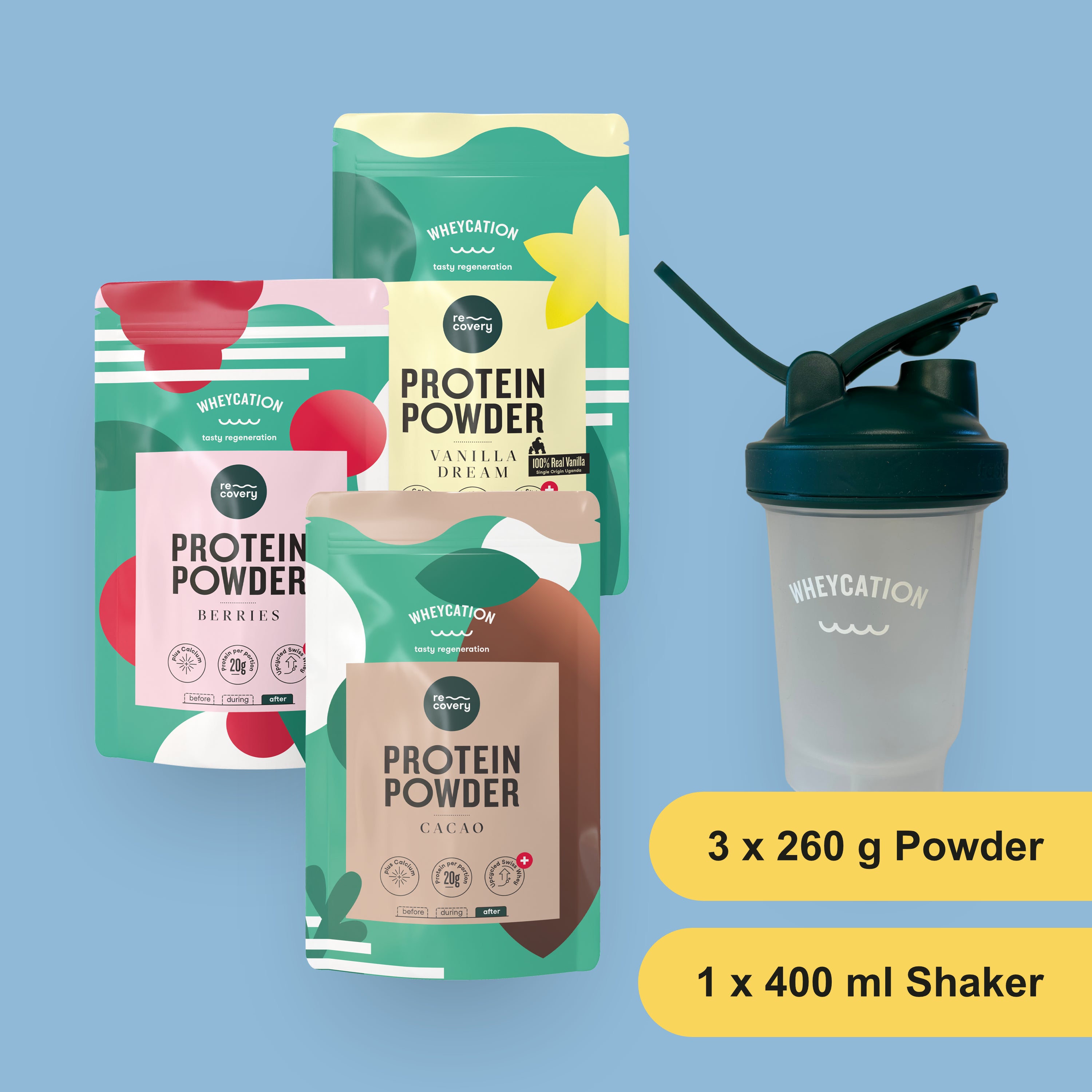
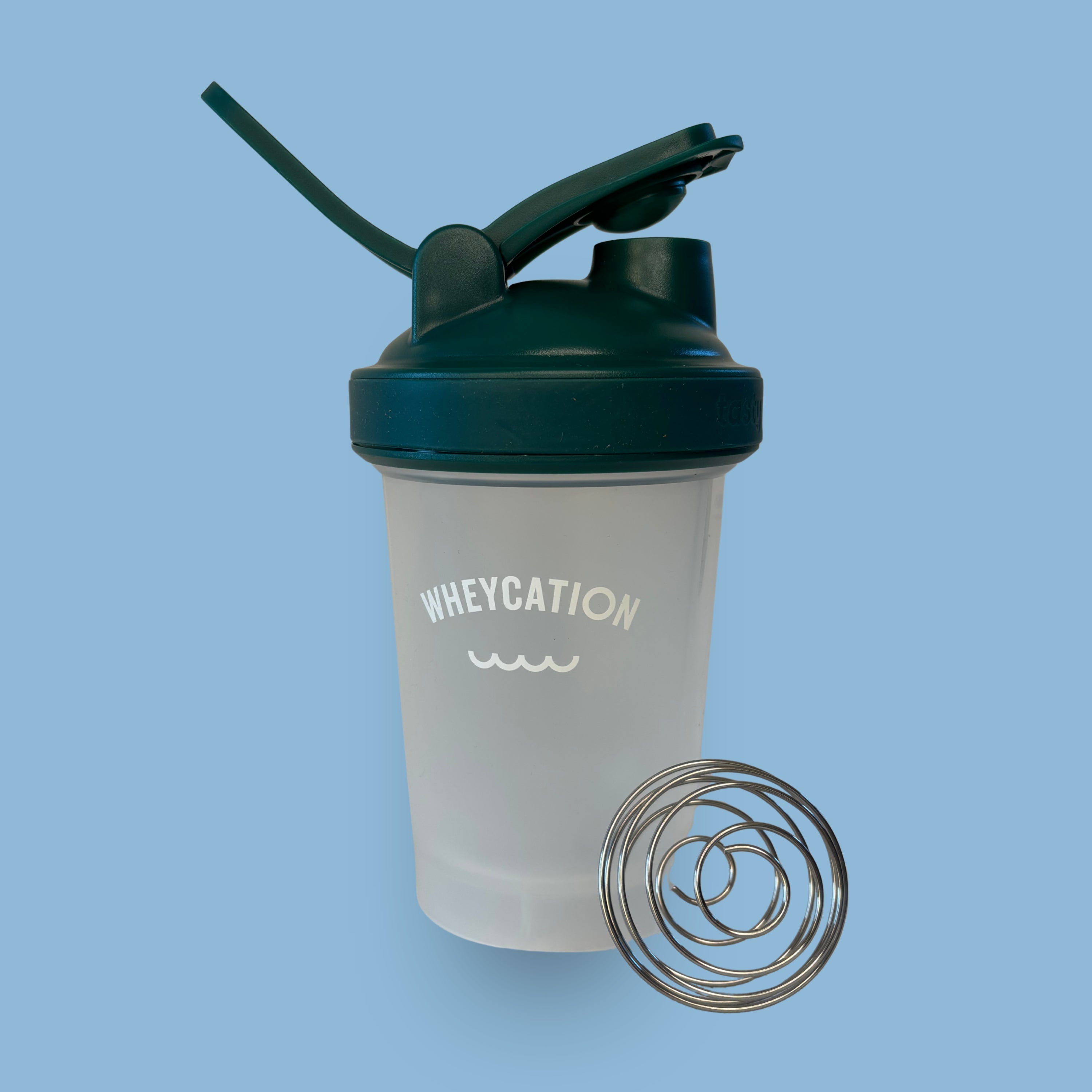
Starterset Whey Protein Powder 3x260g & Shaker
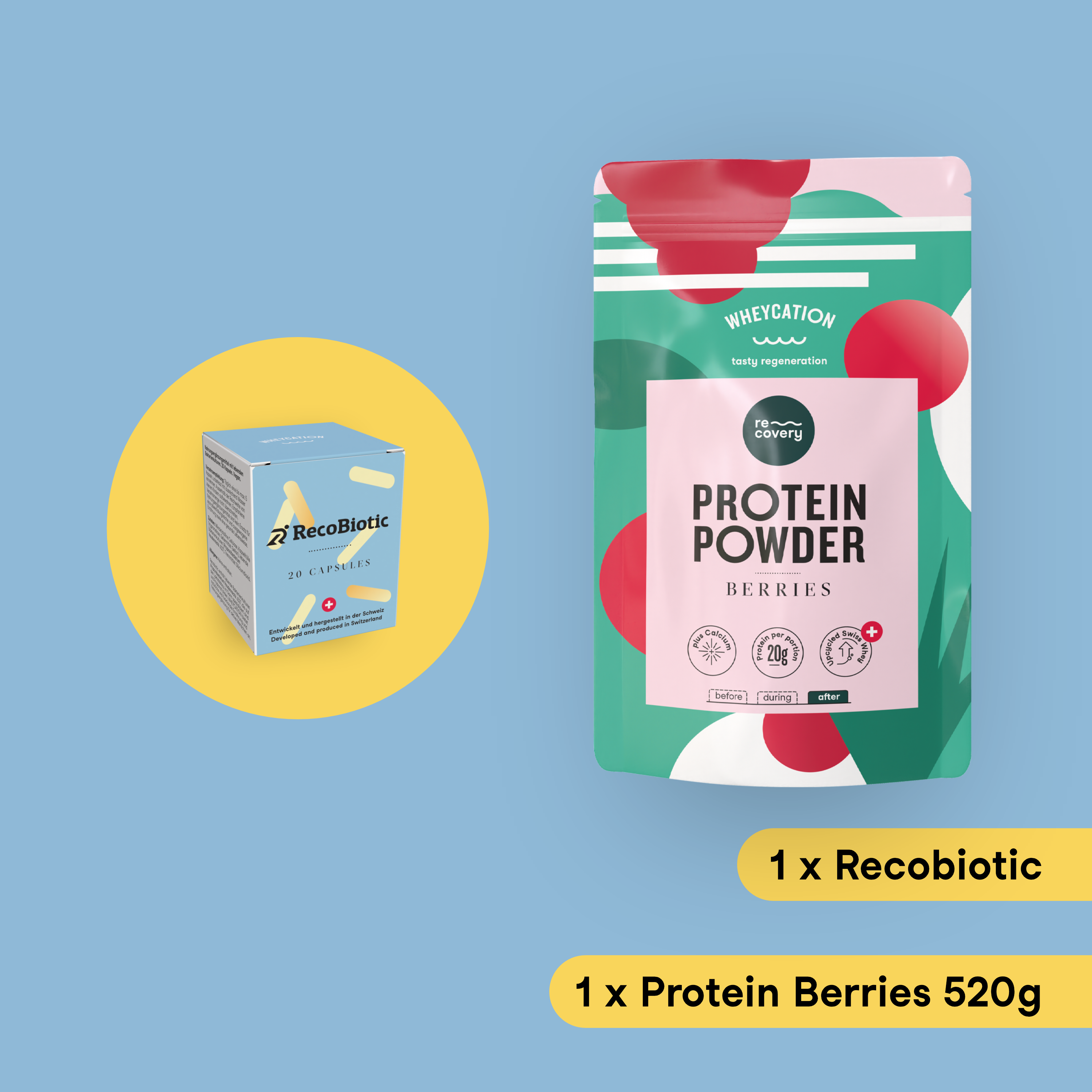


Recovery Bundle RecoBiotic Probiotic & Whey Protein Powder Berries

Recovery Bundle RecoBiotic Probiotic & Whey Protein Powder Vanilla Dream

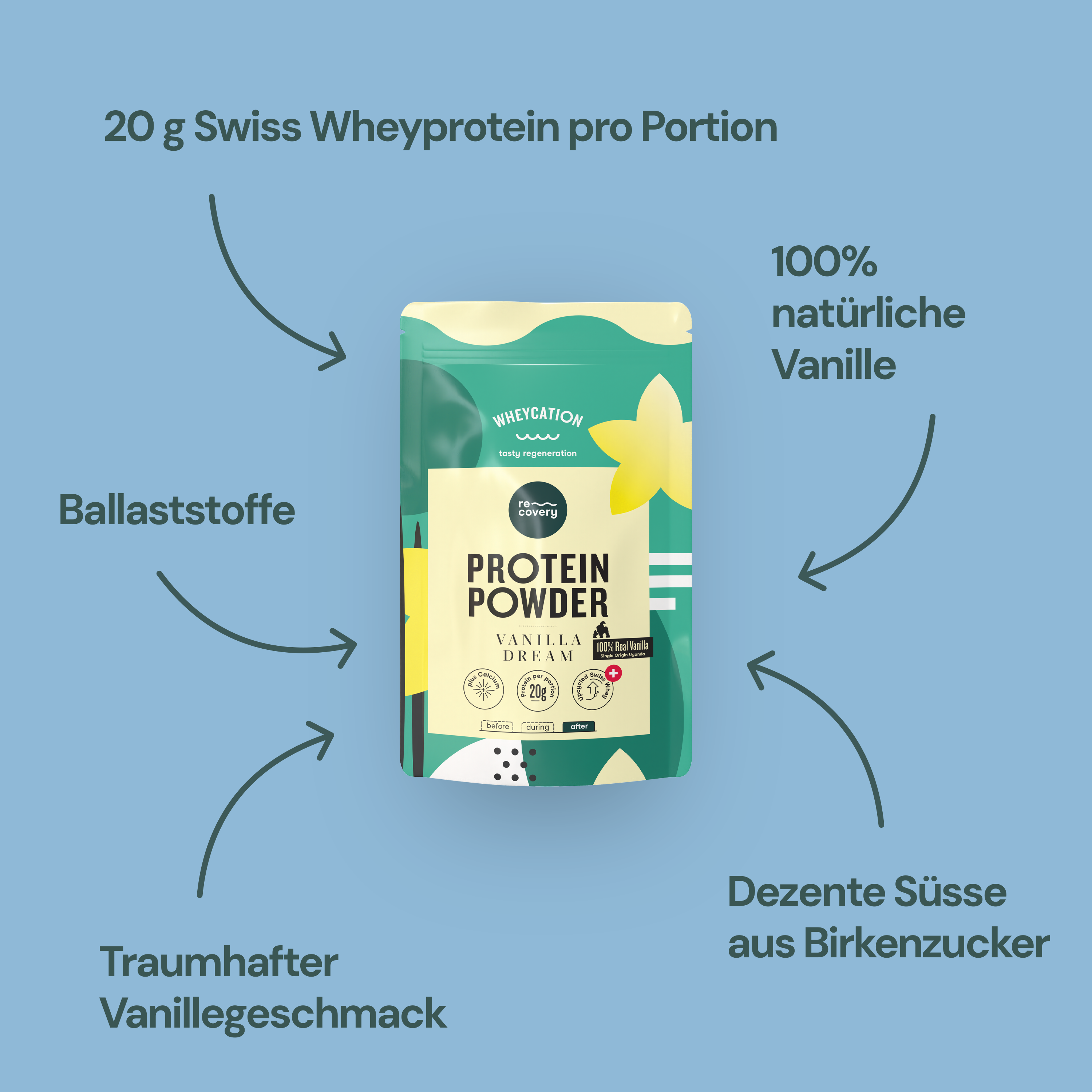
Starter Set Whey Protein Powder 3x260g with Coffee
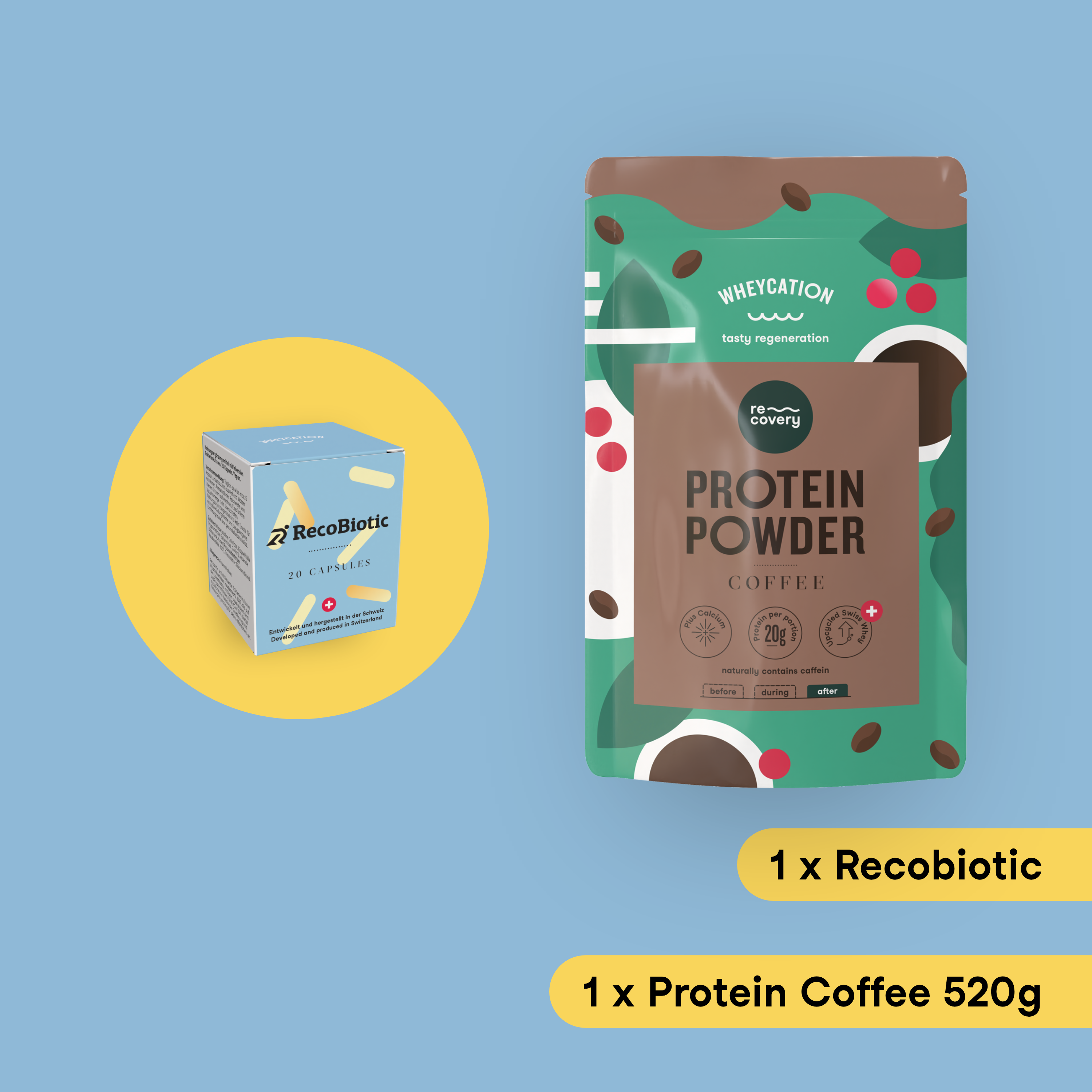
Recovery Bundle RecoBiotic Probiotic & Whey Protein Powder Coffee
Whey Protein Porridge Caramel 480g
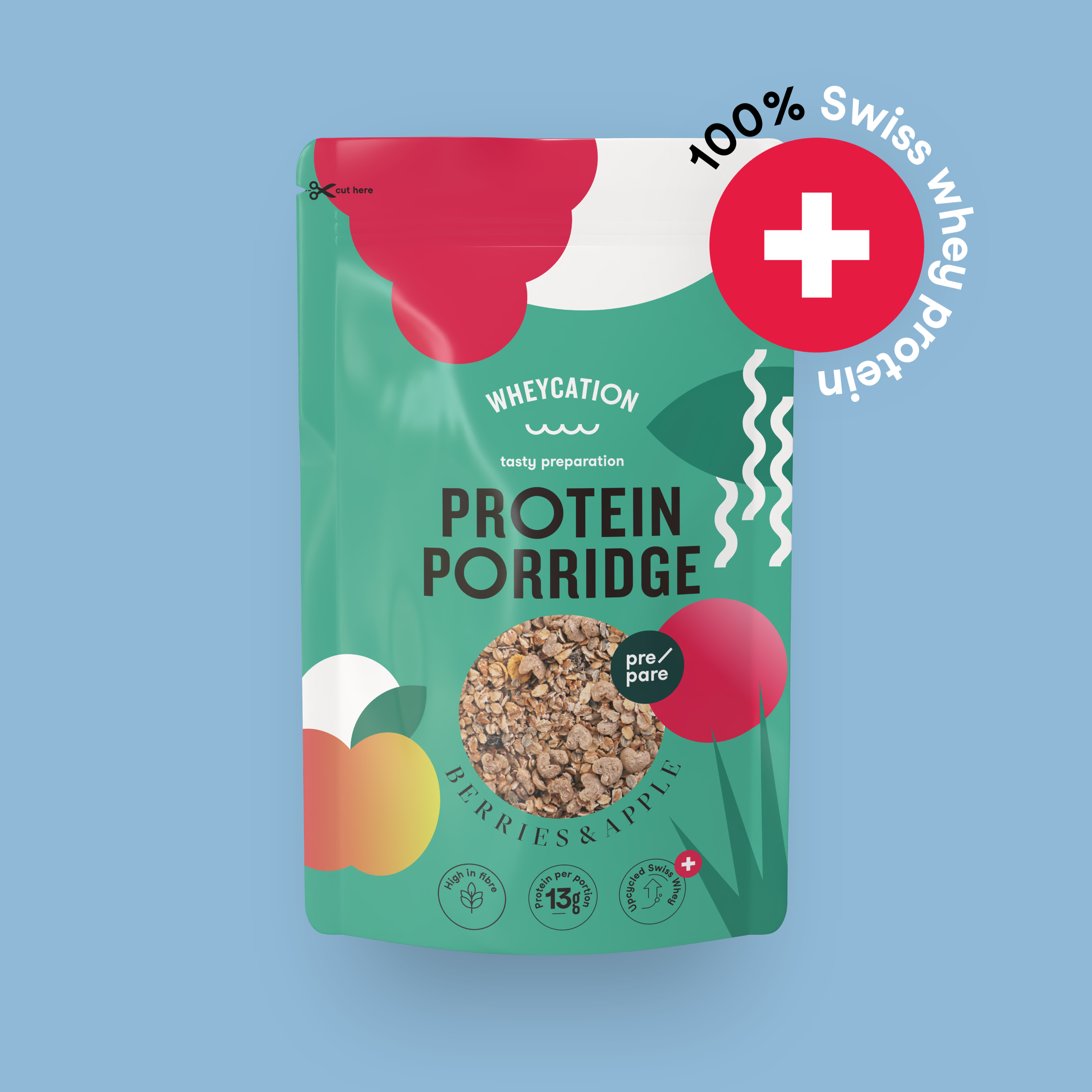
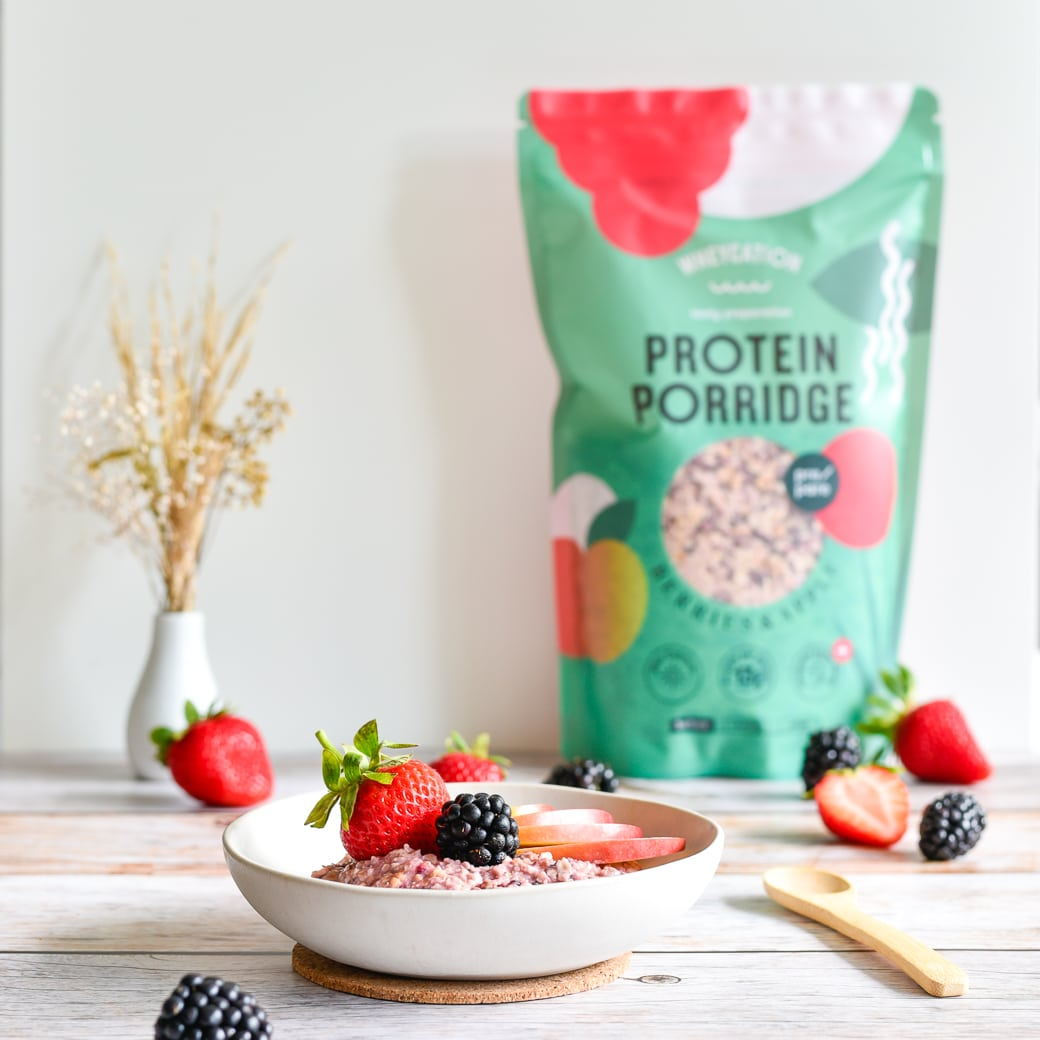
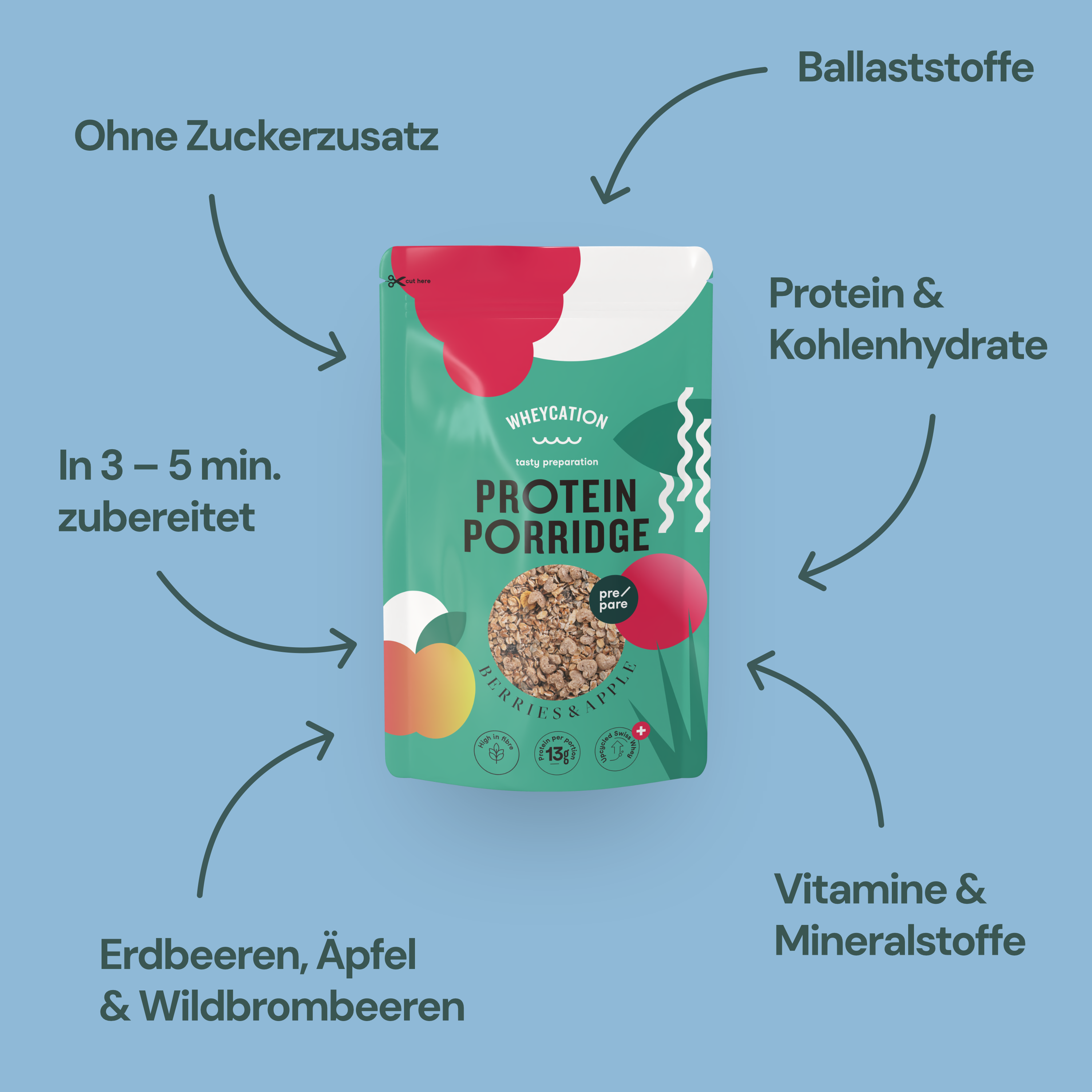
Whey Protein Porridge Berries & Apple 480g
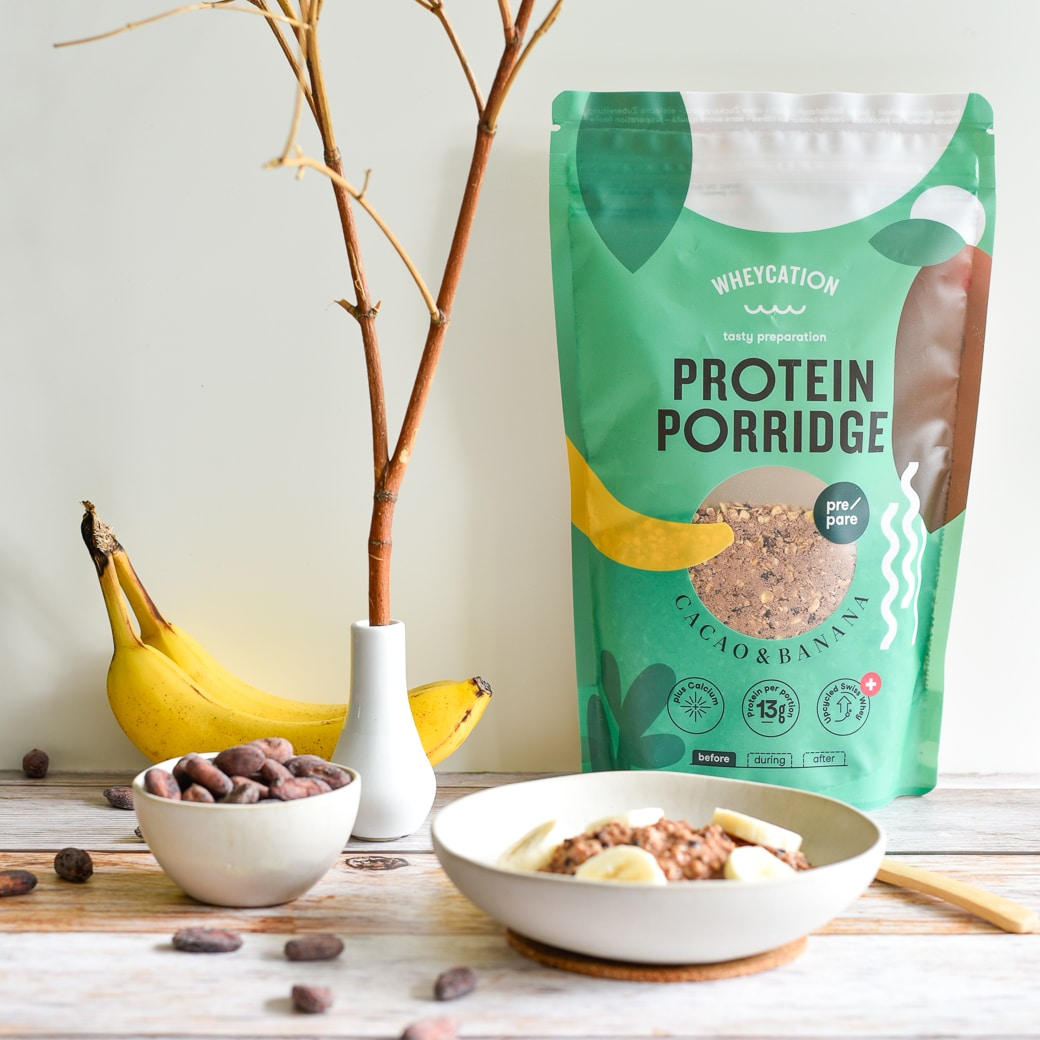
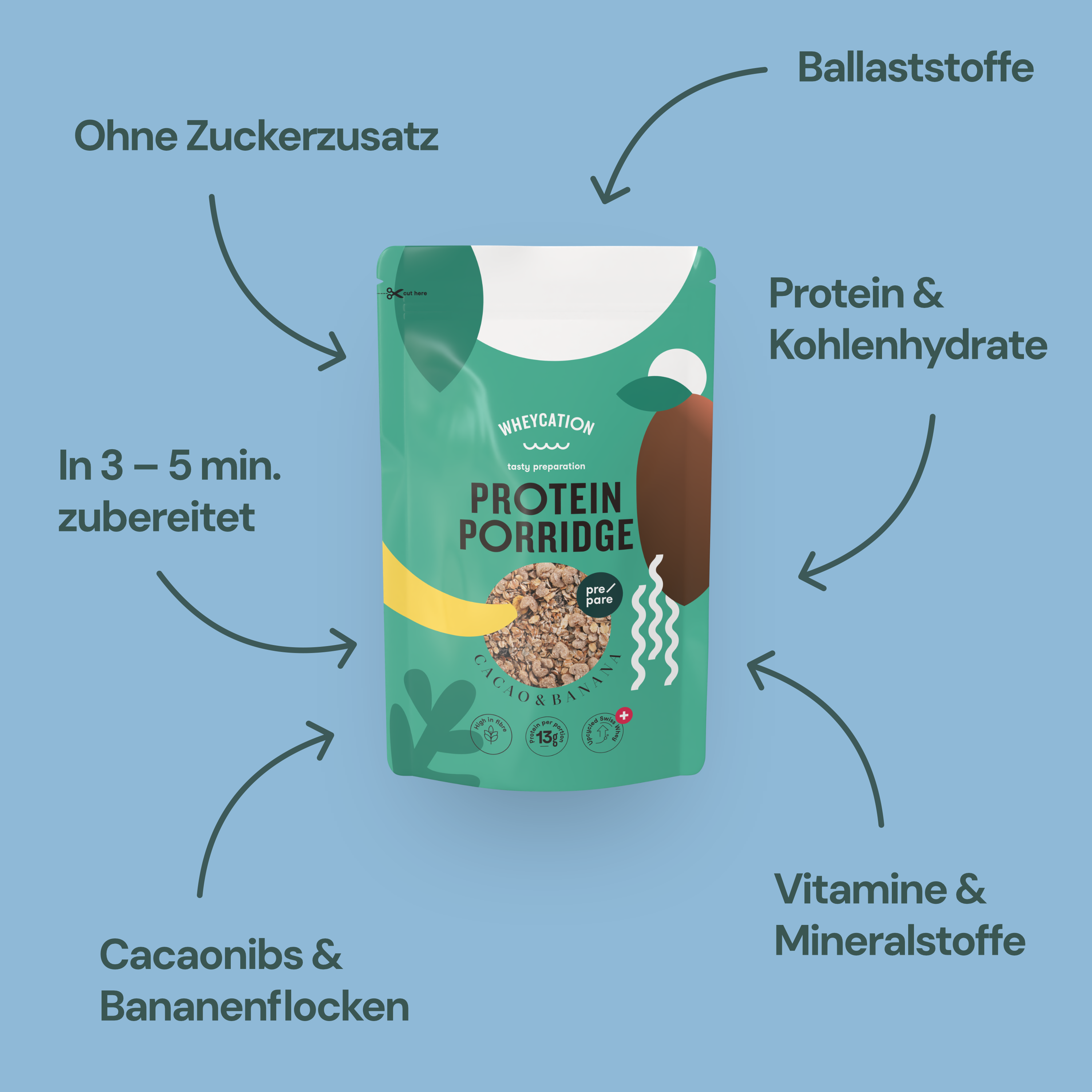
Whey Protein Porridge Cacao & Banana 480g


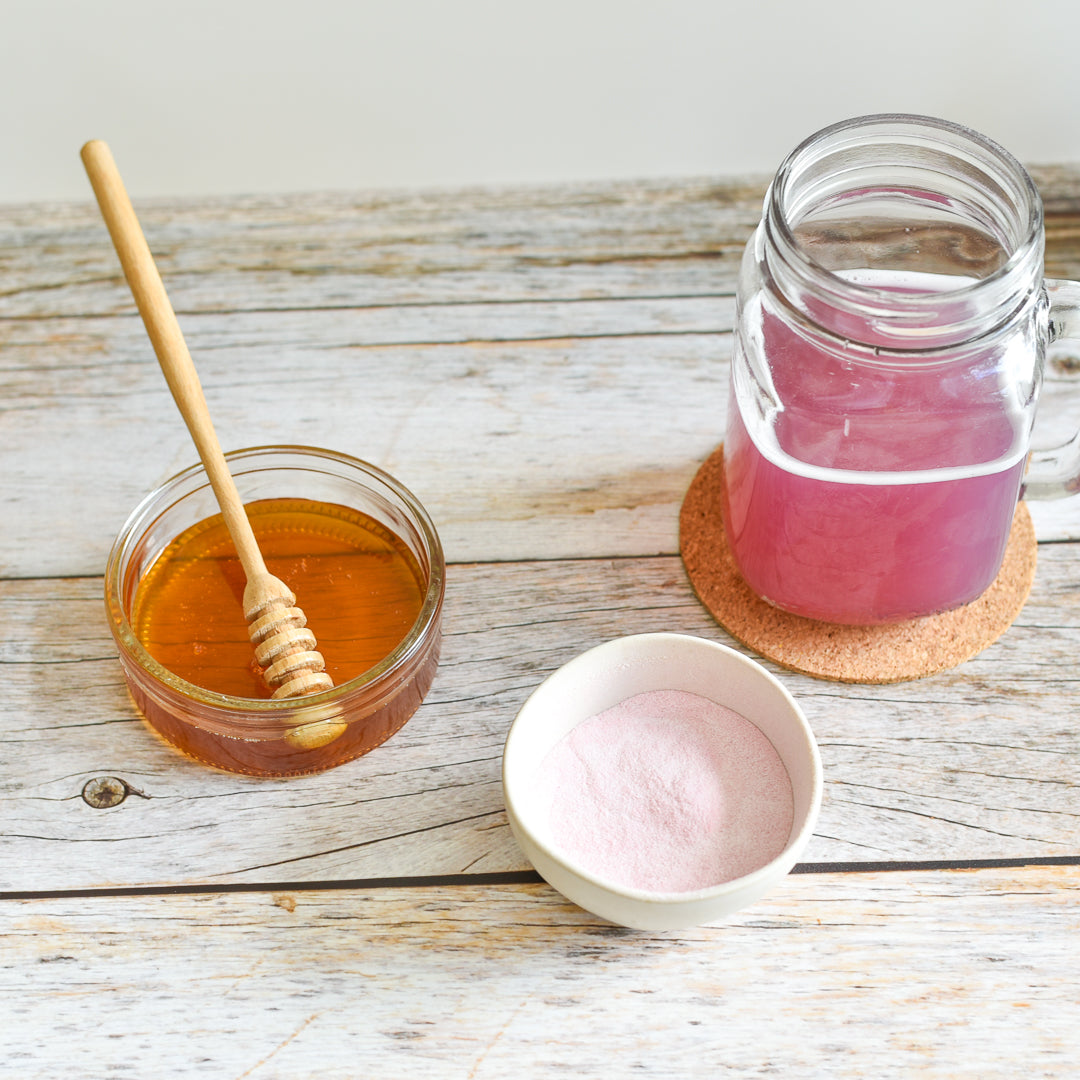
Isotonic Energy & Hydration Sports Drink Cherry 630g

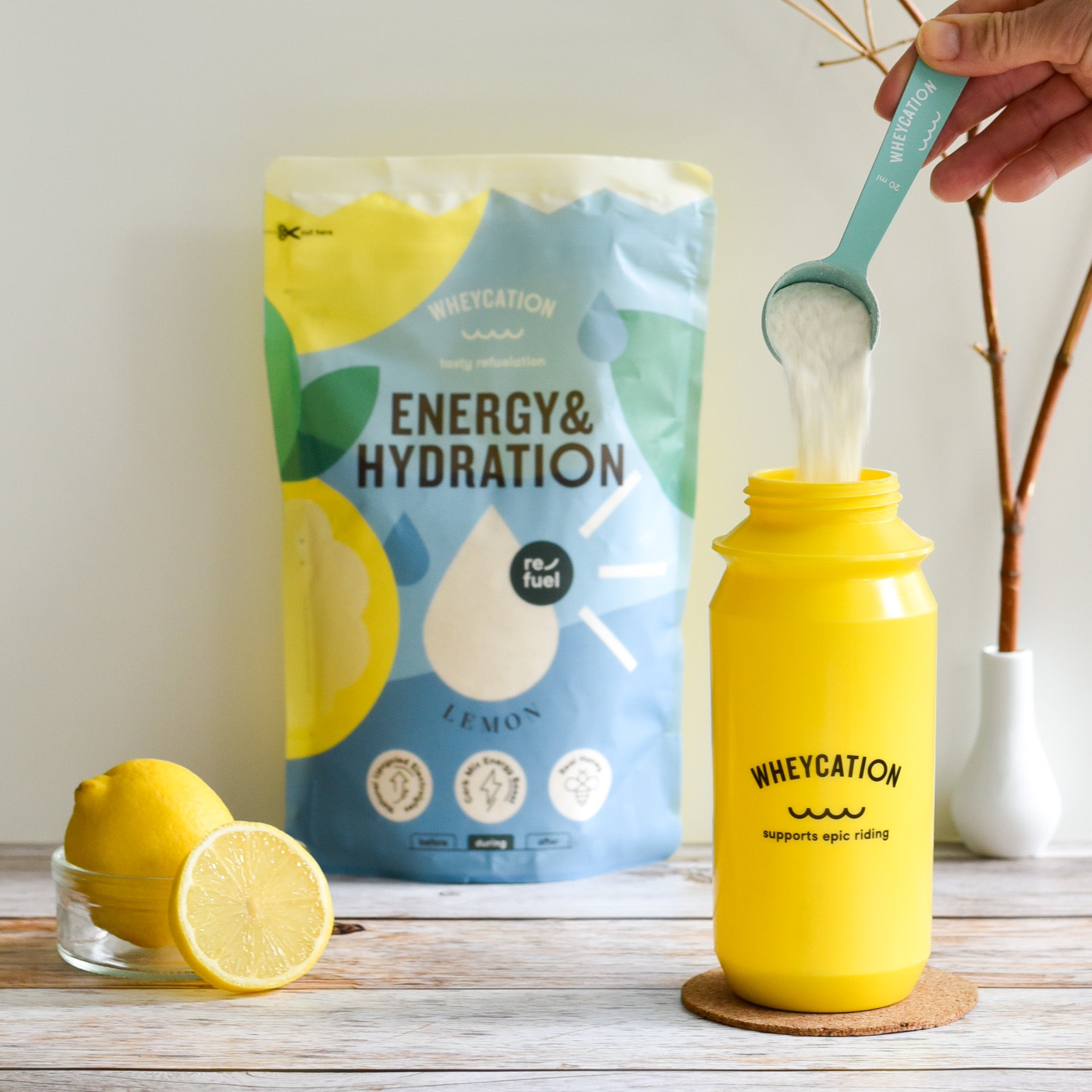

Isotonic Energy & Hydration Sports Drink Lemon 630g


Isotonic Energy & Hydration Sports Drink Mate-Mint 630g
Wenn du eine Allergie auf Milchproteine hast, sind unsere Produkte leider nicht geeignet – denn Molke ist ein Bestandteil der Milch und enthält entsprechend Milchproteine. Bei Laktoseintoleranz sieht es anders aus: Dabei handelt es sich um eine Unverträglichkeit, keine Allergie. Die Verträglichkeit ist individuell verschieden, doch viele Menschen kommen mit laktosearmen Produkten sehr gut zurecht. Auch von unseren Kundinnen und Kunden mit Laktoseintoleranz hören wir oft positives Feedback – dank der natürlichen Rezeptur ohne künstliche Süssstoffe und dem sorgfältig reduzierten Laktosegehalt.
Das Protein Powder Nature enthält ca. 9.8 g Laktose pro 100 g Pulver. Eine Portion mit 25 g liefert etwa 2.5 g Laktose.
Das Recovery Protein Powder mit Geschmack enthält etwa 6 g Laktose pro 100 g Pulver. Ein Shake mit 40 g Pulver und 200 ml Wasser (wie empfohlen) entspricht somit knapp 1 g Laktose pro 100 ml fertigem Shake. Dies ist etwa fünfmal weniger als in normaler Kuhmilch und gilt als laktosearm. Vielen laktoseempfindlichen Personen berichten von einer guten Verträglichkeit.
Xylit (auch bekannt als Birkenzucker) ist eine natürliche, zahnfreundliche Zuckeralternative mit weniger Kalorien als herkömmlicher Zucker. Dank seines niedrigen glykämischen Indexes lässt Xylit den Blutzuckerspiegel nur langsam ansteigen – ideal für eine ausgewogene Ernährung ohne Heisshunger. In unseren Produkten sorgt Xylit für eine angenehm natürliche Süsse – ganz ohne zugesetzten Zucker.
Im Protein Porridge sind rund 1.6 g Laktose pro 100 g enthalten , das entspricht etwa 1 g Laktose pro Portion (60 g).
Unsere Protein Porridges enthalten Hafer, der nicht als glutenfrei zertifiziert ist. Obwohl Hafer grundsätzlich kein Gluten enthält, kann es aufgrund der Ernte- und Verarbeitungsprozesse zu Verunreinigungen mit Weizen kommen, wodurch eine vollständige Glutenfreiheit nicht garantiert werden kann. Nur speziell zertifizierter Hafer wird als glutenfrei deklariert.
Das Getränk enthält ca. 4.2 g Laktose pro 100 g Pulver. Bei einer Zubereitung mit 35 g Pulver in 500 ml Wasser ergibt das ca. 0.3 g Laktose pro 100 ml.