Isotonische Sportgetränke

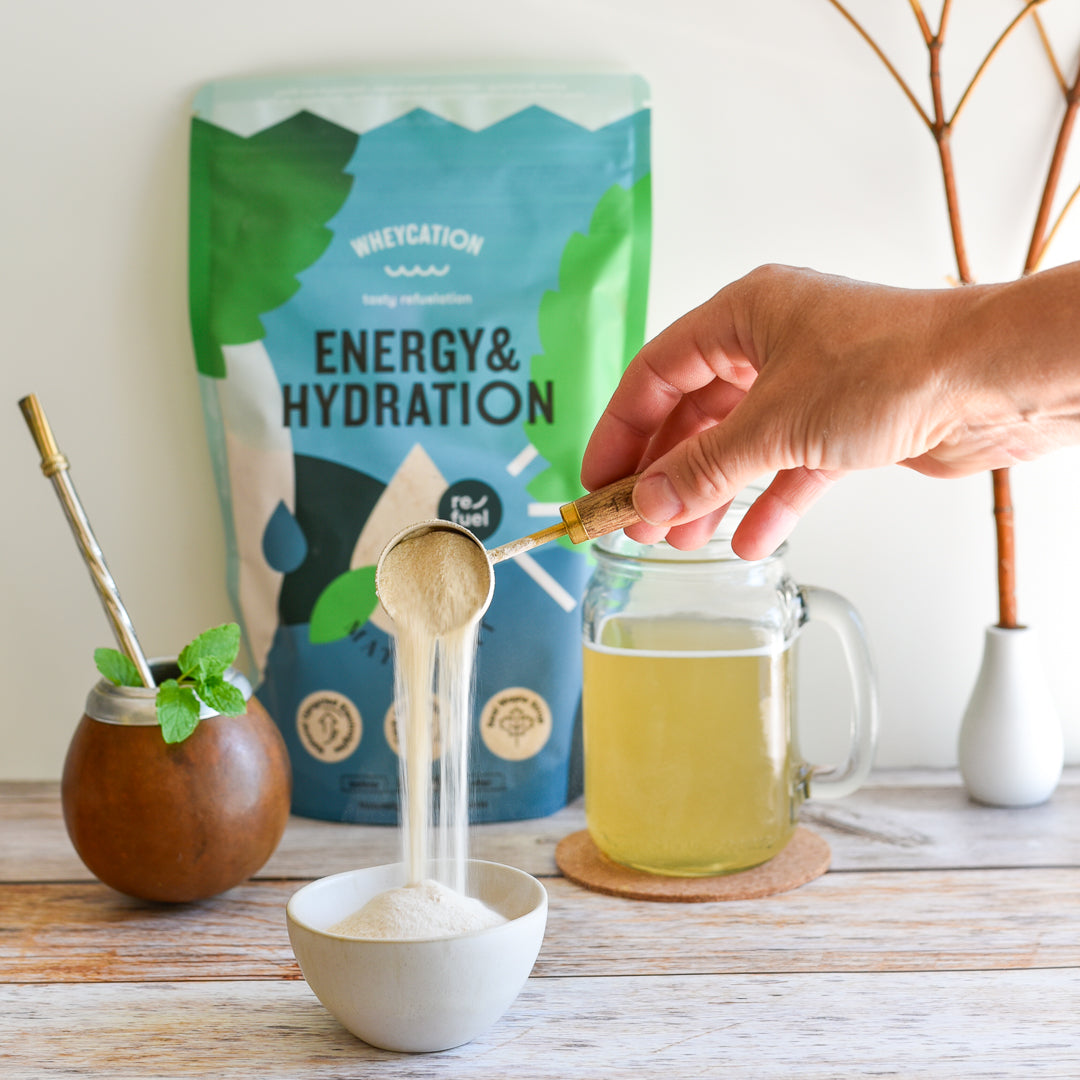
Our isotonic Energy & Hydration is based on partially desugarised whey powder with natural electrolytes, fast-available carbohydrates and real ingredients like lemon juice powder, honey, mate or sour cherry. Developed for energy, endurance and hydration during prolonged effort.

Quality from Switzerland

No compromise on taste

Naturally sustainable


Drinking during exercise

Read more

Isotonic, natural and with real flavour.

No artificial flavourings, not overly sweet, no synthetic electrolytes, no unnecessary extras. Just what your body actually needs during effort.

Natural electrolytes from Swiss whey with optimal bioavailability

Real ingredients like honey, lemon, mate or sour cherry

No artificial flavourings, colourings or preservatives — never gets old!

Preparation

Step 1

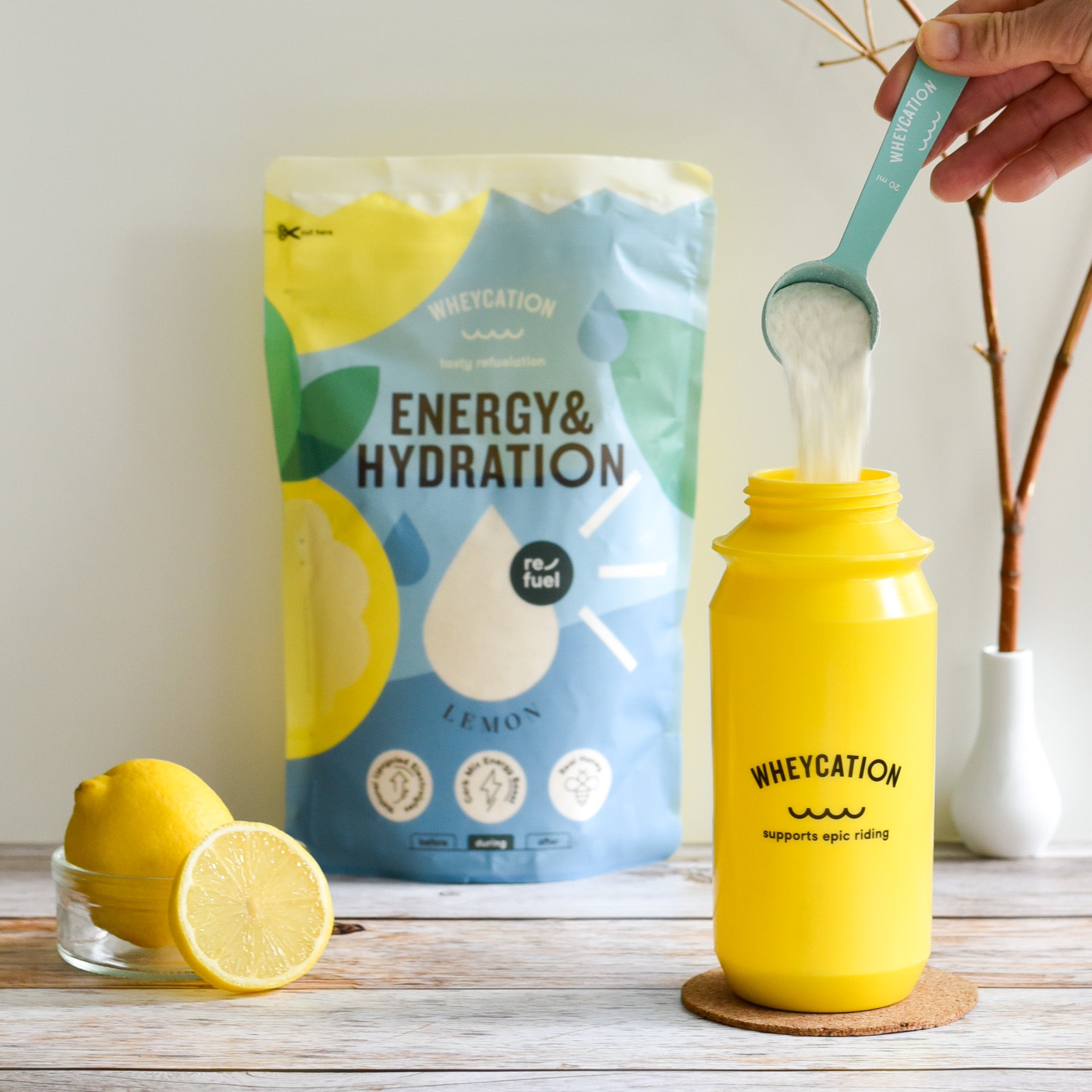
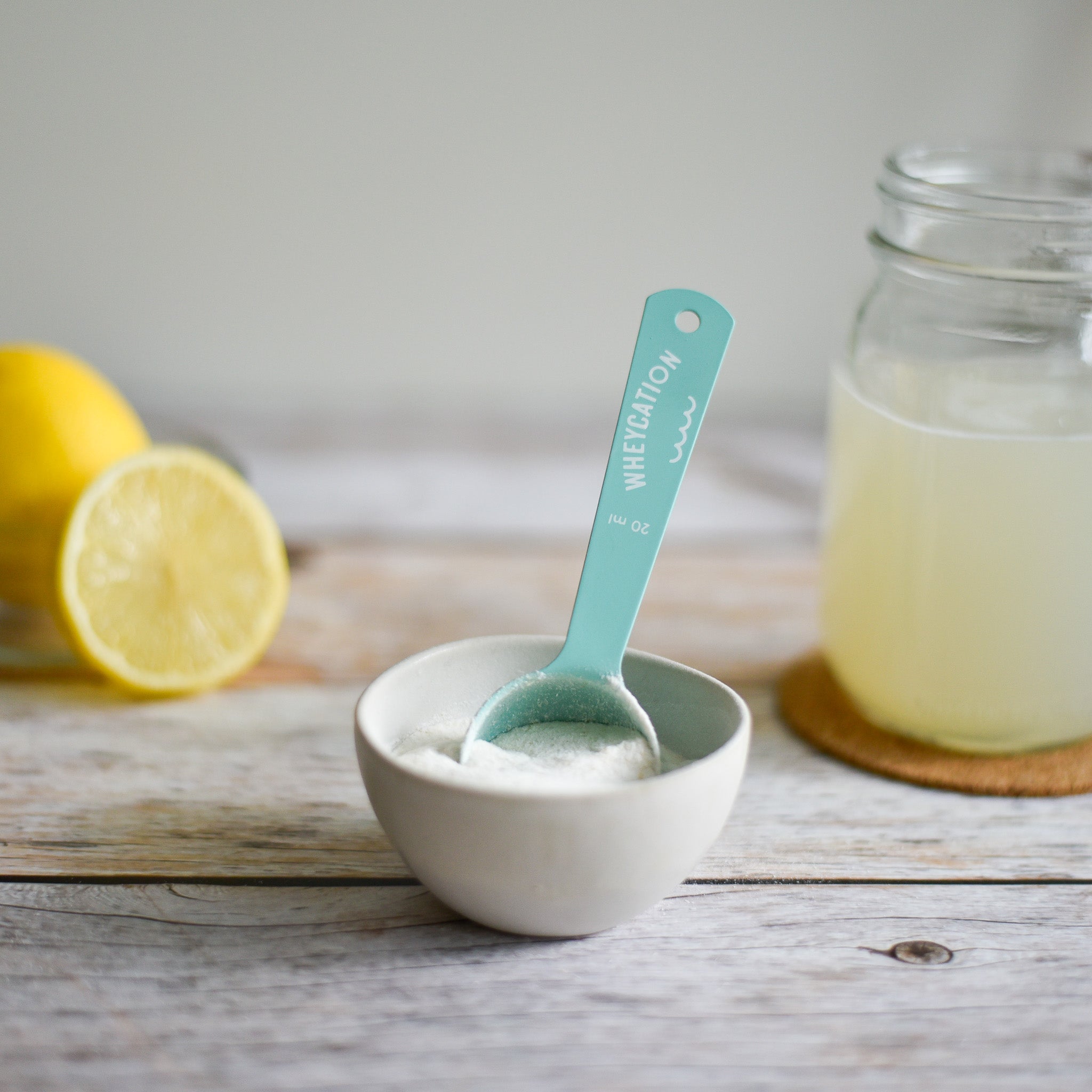
Measure 35g (3 tablespoons) into a drinking bottle

Step 2

Add 500ml of water

Step 3

Shake well and enjoy

For every effort that demands your best.

Whether endurance sport, intense training or a long, hot day on the trails or in the field — Refuel gives you energy and electrolytes exactly when you need them.

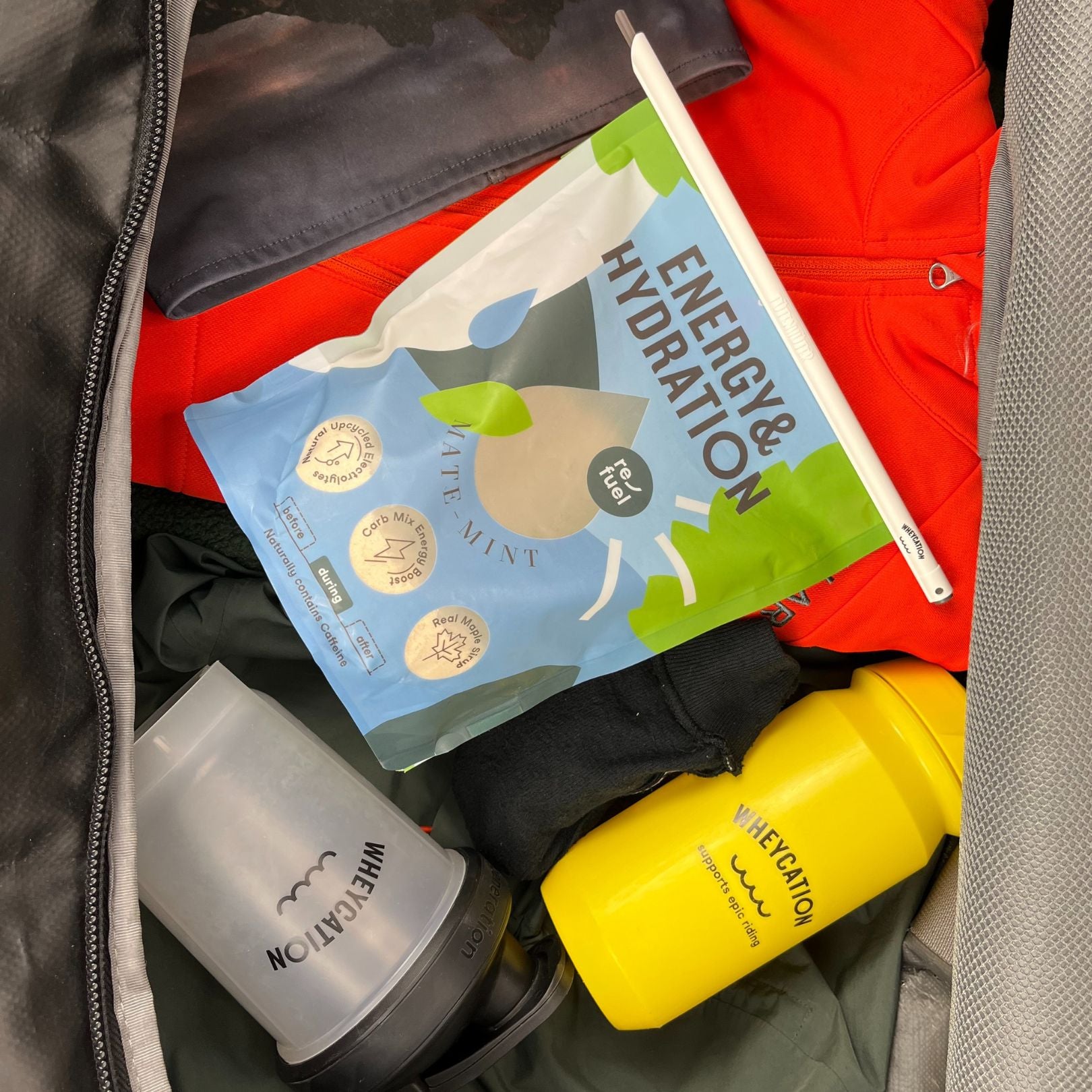
While running, cycling or hiking for energy and hydration

During intense training or a hot day outdoors for isotonic support

With Mate-Mint for extra focus during long or mentally demanding efforts

Was du über Protein wissen musst

View all

Kohlenhydrate und Zucker im Proteinpulver: sinnvoll oder problematisch?

Kohlenhydrate und Zucker im Proteinpulver: sinnvoll oder problematisch?

Viele Proteinpulver setzen auf möglichst wenig Kohlenhydrate. Wir gehen bewusst einen anderen Weg: Die enthaltenen Kohlenhydrate stammen entweder natürlich aus der Molke oder werden gezielt und sparsam eingesetzt – für Produkte, die nicht nur im Training, sondern auch im Alltag sinnvoll funktionieren.

Read more

Aminosäuren im praktischen Einsatz - Teil 2: Herzgesundheit

Aminosäuren im praktischen Einsatz - Teil 2: Herzgesundheit

Gastbeitrag von Ingo Schwabbaur, HolisticaFit & Consulting

Moderne Herz-Kreislauf-Prävention denkt weiter als bis zum Cholesterinwert. Der Muskel- und Energiestoffwechsel rückt zunehmend ins Zentrum – und mit ihm die Rolle hochwertiger Proteine und Aminosäuren. Dieser Beitrag beleuchtet ihre Bedeutung für Gefässe, Stoffwechsel und langfristige Herzgesundheit.

Read more

Proteinbedarf: Wie viel Protein pro Tag - und wann einnehmen?

Protein requirements: How much protein per day – and when should it be taken?

Protein is no longer just a topic for strength athletes. Whether in everyday life, during endurance sports, strength training, or recovery phases – proteins play a central role in our bodies. But two questions keep coming up: How much protein...

Read more

Aminosäuren

Amino acids in practical use - Part 1: Immune system

Guest article by Ingo Schwabbaur, HolisticaFit & Consulting

In a short series of articles, Ingo Schwabbaur offers a new perspective on how essential proteins are for everyone, regardless of activity level. The idea that proteins are only important in connection with sports is too simplistic.

Read more

Protein Isolat oder Hydrolysat – braucht’s das wirklich?

Protein isolate or hydrolysate – is it really necessary?

Why we at Wheycation consciously rely on natural Swiss whey protein concentrate Not all whey proteins are created equal. Anyone in the fitness or nutrition world will quickly come across terms like isolate or hydrolysate – they sound technical, performance-oriented,...

Read more

Whey What?! Alles, was du über Whey, Molke, Protein und Wheycation wissen musst.

Whey What?! Everything you need to know about whey, protein, and wheycation.

Whey, protein, whey protein—these terms are popping up more and more frequently in the world of nutrition. But what's behind them? Why is whey so special, and why did we name our company "Wheycation"? Let's shed some light on the...

Read more

Neue Empfehlungen zur Proteinzufuhr nötig?

Are new recommendations for protein intake necessary?

The development of protein intake recommendations has evolved historically, with a single individual, Henry Sherman, having a significant influence. Sherman, an American scientist, published his textbook on nutrition at the beginning of the 20th century, which was considered a standard...

Read more

Upcycling von Schweizer Molke – unsere Proteinquelle

Upcycling Swiss whey – our protein source

When we launched Wheycation, we asked ourselves a lot of questions: Why don't we, as a cheese-making country, make better use of the whey produced during cheese production? Why doesn't the protein in so many functional products come from Switzerland?...

Read more

Der Unterschied von tierischen und pflanzlichen Proteinen

The difference between animal and plant proteins

Proteins are fundamental building blocks of life that perform a variety of important functions in our bodies. They are essential for building and repairing tissues, producing enzymes and hormones, and strengthening our immune system. Bioavailability and the number of amino...

Read more

Frequently asked questions about our isotonic sports drinks

What is de-sugared whey powder, and what is it used for in sports drinks?

De-sugared whey powder is a type of whey powder from which a large portion of the milk sugar (lactose) has been removed. What remains are primarily the minerals (salts) naturally present in whey. It also retains naturally occurring whey proteins and vitamins, making it an ideal base for a natural, electrolyte-rich beverage.

A small amount of milk sugar remains in the powder. However, when prepared according to the recommended serving instructions, the finished sports drink is low in lactose, containing less than 1.5 g of residual lactose per 500 ml.

Is there not too much/ too little sugar in the sports drink?

No, it does not contain too much sugar. Refuel Energy & Hydration is a beverage that provides the body with both electrolytes to maintain an optimal fluid balance and energy during physical exertion. The body needs sugar during exercise, which it immediately uses as a source of energy.

The recommended preparation of 35 g of powder for 500 ml of liquid is an average guideline. If the exertion is longer or more intense, the amount of powder can be increased to provide more carbohydrates, i.e., more sugar. However, when using the Mate-Mint flavor, it is important to note that increasing the powder amount also raises the caffeine content.

What is lactose?

Lactose is milk sugar that naturally occurs in milk and whey. Since our protein powder is made from whey, it may contain traces of lactose.

How much lactose is in the Refuel Energy & Hydration drink?

The drink contains approximately 4.2 g of lactose per 100 g of powder. When prepared with 35 g of powder in 500 ml of water, this results in about 0.3 g of lactose per 100 ml.

What is fructose?

Fructose, also known as fruit sugar, is a naturally occurring sugar found in many fruits, honey, and certain vegetables.

Do Wheycation products contain fructose?

No additional fructose is added to our products; however, fructose is naturally present in some ingredients, such as fruit powders, honey, and maple syrup.

What is whey?

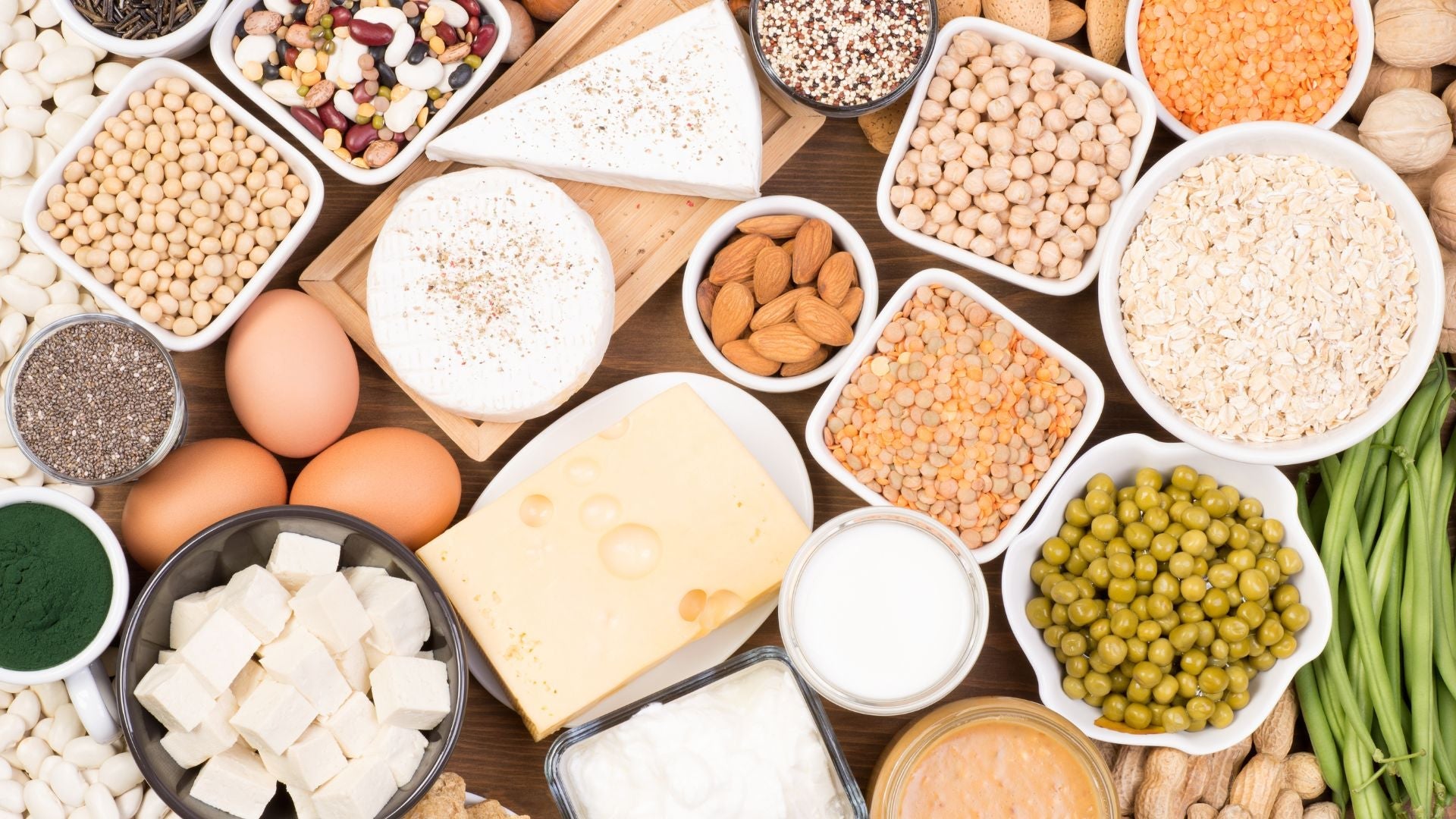
Whey, also known as "Schotte" in German, is the liquid that remains after milk has been processed during cheese production. It contains the components of milk that do not end up in the cheese. Whey is rich in high-quality whey proteins, which contain all essential amino acids and are easily absorbed by the human body.

Whey also naturally contains valuable vitamins and minerals. You can find detailed information about whey and its health benefits in our Guidebook.

What is upcycling and how does Wheycation contribute to avoiding food waste?

Upcycling refers to a process of material enhancement, where materials are transformed into higher-value products. In the context of food, upcycling means using raw materials as ingredients that would otherwise not be consumed by humans and thus would be lost as food waste.

According to estimates by the Food and Agriculture Organization (FAO) of the United Nations, about one-third of all food produced worldwide is lost or wasted each year. These losses account for around 8 percent of greenhouse gas emissions caused by human activity, significantly contributing to climate change. (Source: Bundesamt für Lebensmittelsicherheit und Veterinärwesen)

In Switzerland, about 75 percent of whey is not consumed by humans. Through upcycling, we rescue Swiss whey, prevent its waste, and thus help reduce food waste while contributing to the fight against climate change.

You can find detailed information on environmental regeneration in our guidebook.

How exactly do Wheycation products support physical recovery, preparation for exertion, and the promotion of overall well-being?

Whey proteins play a key role in supporting physical recovery. For us, it is not only important to achieve high protein content in our products, but also to ensure a balanced composition. A healthy diet is a balanced and varied diet. That’s why our products are primarily natural and contain a well-balanced ratio of macronutrients (proteins, carbohydrates, and fats) and micronutrients (minerals and vitamins).

Prepare products, designed for preparation before physical exertion, are also rich in protein but contain more carbohydrates and dietary fiber compared to recovery products. This ensures they provide longer-lasting satiety and sufficient energy.

The natural quality of our products is the main factor in promoting well-being, supported by ingredients that contribute to gut health. Enjoyment is essential as well, to help the mind relax. Our products embody a carefree approach to nutrition.

You can find more detailed information on nutrition and tolerability in our guidebook.

Why is the salt content not higher in Refuel Sports Drinks? Why is the salt content significantly higher in other brands?

The salt content listed in the nutritional information is calculated based on the sodium content, as required by law. Other minerals are not included in the nutritional declaration, although they are equally important for maintaining a normal fluid balance.

In addition to the mineral sodium, Refuel Sports Drinks contain potassium, calcium, magnesium, and chloride – all naturally derived from whey.

To maintain a normal fluid balance, our body needs electrolytes. Electrolytes are minerals that carry an electric charge when dissolved in a fluid such as blood. The electrolytes in the blood – sodium, potassium, chloride, and bicarbonate – help regulate nerve and muscle function and maintain the body's acid-base balance and water balance.

In other brands, sodium is often added primarily in the form of table salt (sodium chloride or NaCl), and the additional electrolytes are provided as industrially manufactured salts. The sodium content in these products is often higher than in our products, which is why the salt content appears higher in their nutritional information.

What truly matters for function and for maintaining fluid balance (hydration) is not the salt content, but the total electrolyte content.

Hast du weitere Fragen?

Melde dich bei uns und wir beantworten dir gerne alle offenen Fragen. Schreibe eine Email an hello@wheycation.ch.